
INTERVIEW WITH
ULF "UFFE" KROKFORS
|
Sometimes you hear people play the bass like it is a treble-clef-instrument and that is great. I love Miroslav Vitous for example! But in the music we try to do the bass needs to fulfill a more "bassic" role. Maybe not so many notes but instead strong own melodic lines. It is possible because our music is mostly very open harmonically. .......... Alcune volte senti alcuni suonare il basso come se fosse uno strumento in chiave di violino ed è straordinario. Amo Miroslav Vitous ad esempio! Ma nella musica facciamo in modo che il basso assolva ad un ruolo più “bassistico”. Forse non attraverso così tante note, ma pur sempre con solide linee melodiche. È possibile perché la nostra musica è soprattutto molto aperta dal punto di vista armonico. 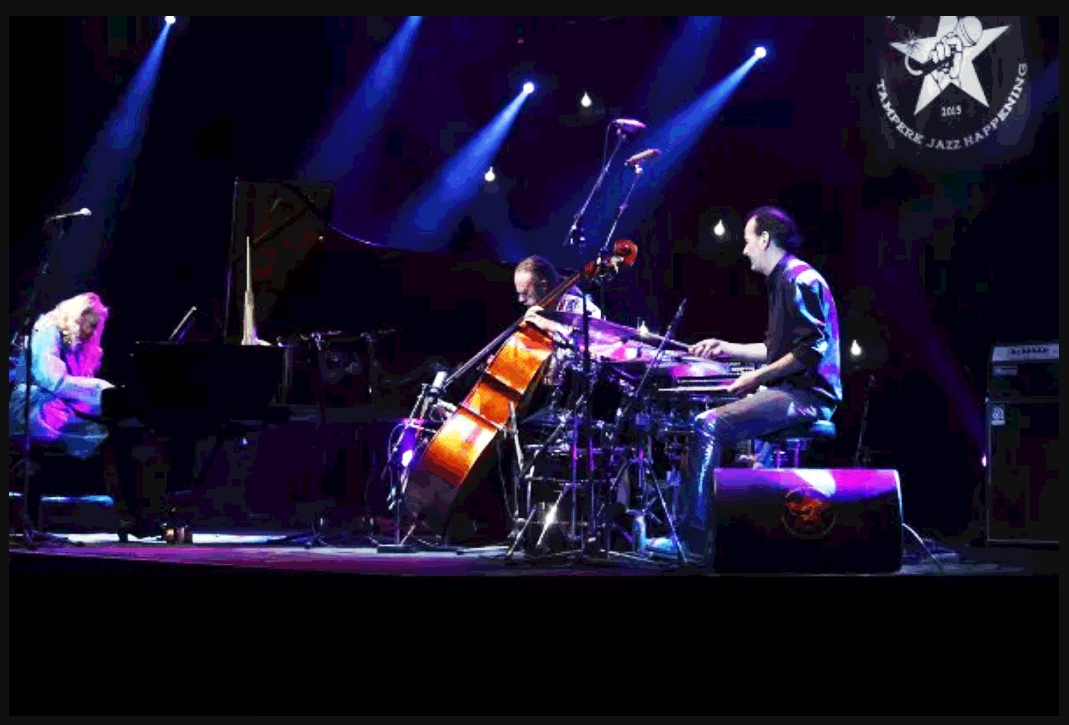
|
|
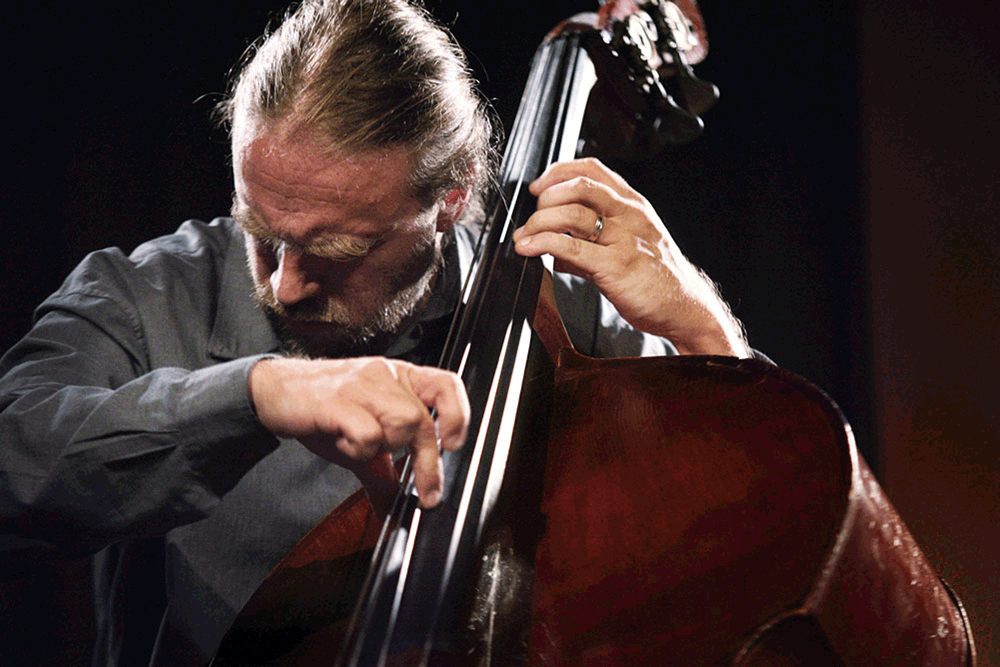
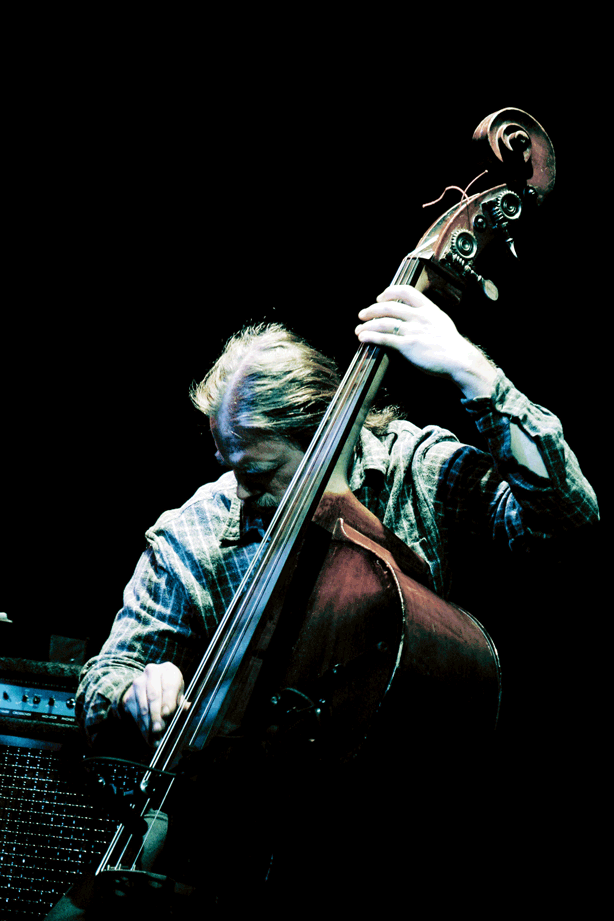
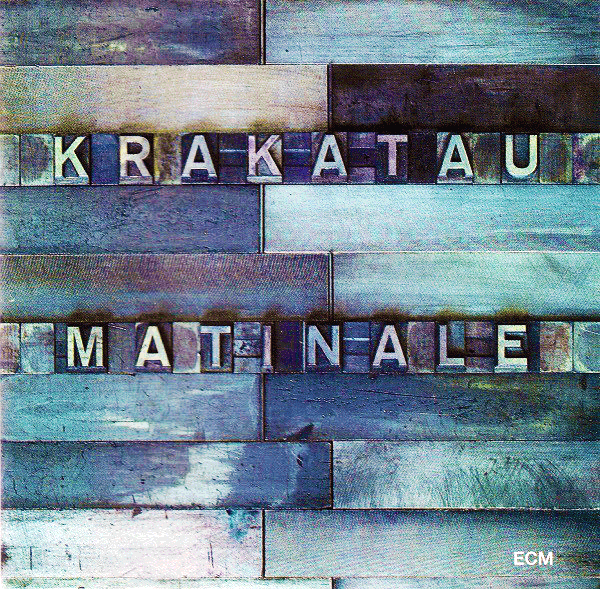
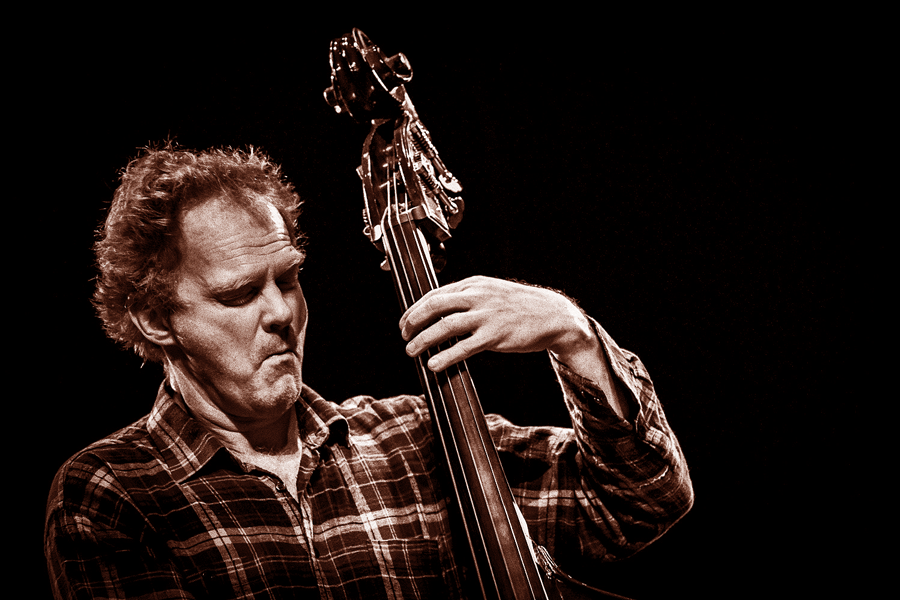
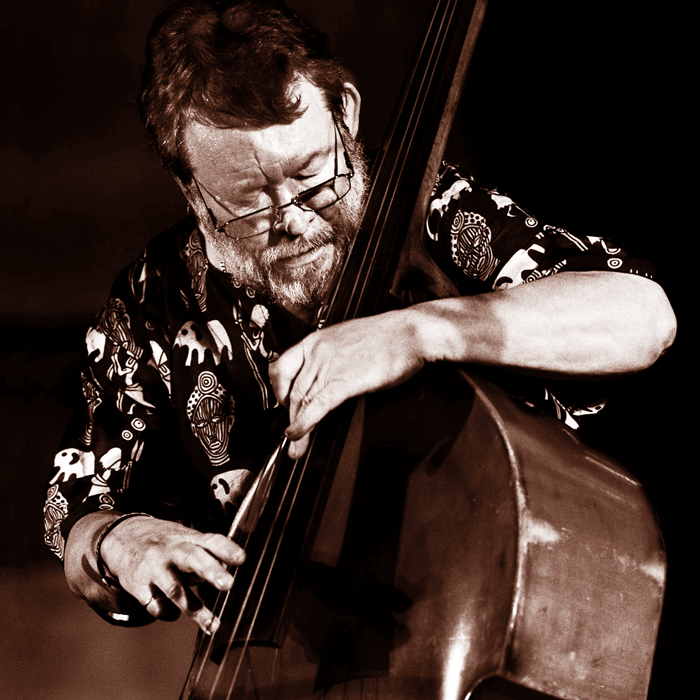
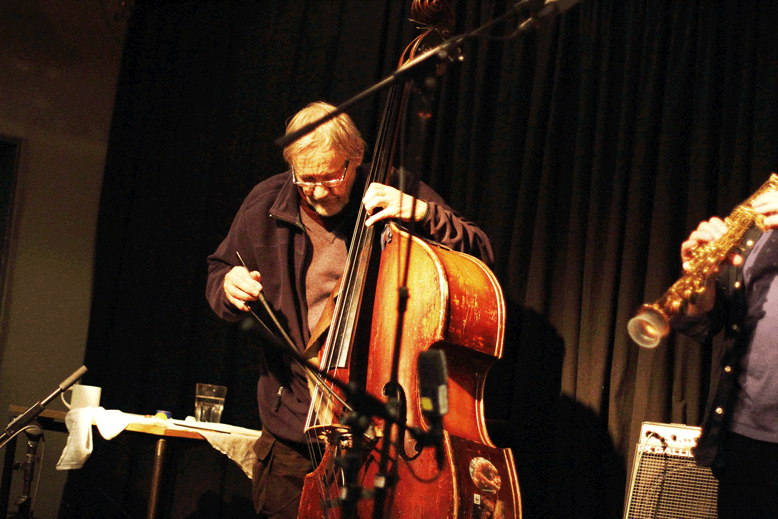
Ulf “Uffe” Krokfors is one of the most interesting double bass players out there. This is an indisputable fact, underlined by a multifaceted career as a co-star of some of the best pages of the European Jazz; a very long path recently recognised by the Yrjö Prize, the prestigious finnish award that he received in 2015 for the refinement of his musical vision and his compelling stage presence. His career was soon baptized by his longstanding commitment in the legendary group Sound And Fury of equally legendary Finnish drummer Edward Vesala, a tutelary deity of jazz in Finland, and then in another great band, Raoul Björkenheim’s Krakatau, who have developed a very brilliant avant-jazz/rock on four albums licensed by Cuneiform (Ritual; Alive) and by ECM (Voilition; Matinale). |
Ulf “Uffe” Krokfors è uno dei più interessanti contrabbassisti in circolazione. Si parte da questo dato di fatto, incontestabile, avvalorato da una carriera multiforme che lo ha visto co-protagonista di alcune tra le migliori pagine del jazz europeo, oltre che vincitore nel 2015 del pretigioso Yrjö Prize, l’importante premio riconosciuto ai musicisti jazz in Finlandia. Un lungo percorso presto battezzato dalla sua militanza con il leggendario gruppo Sound And Fury dell’altrettanto leggendario batterista finlandese Edward Vesala, nume tutelare del jazz finlandese, poi proseguito con una band, i Krakatau di Raoul Björkenheim, che hanno sciorinato un brillantissimo avant-jazz/rock nei quattro dischi licenziati prima dalla Cuneiform (Ritual; Alive) e poi dalla ECM (Voilition; Matinale). |
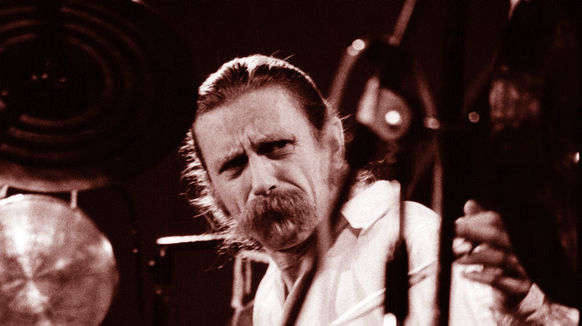
Edward Vesala
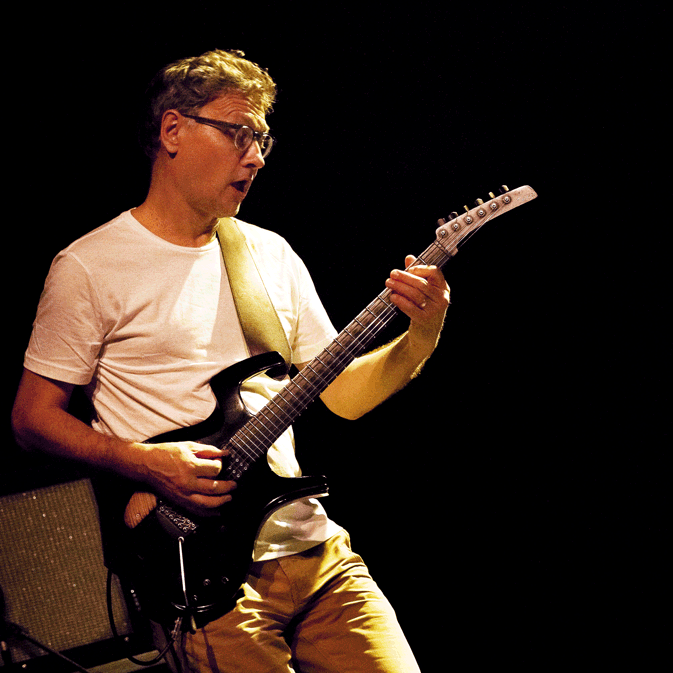
Raoul Björkenheim
|
|
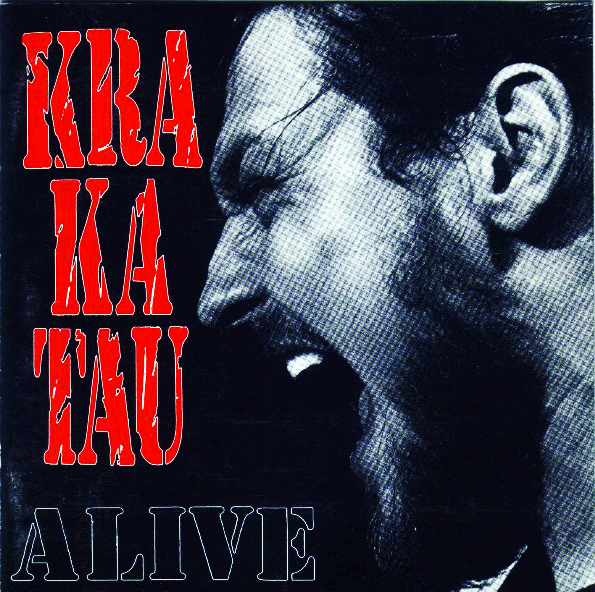
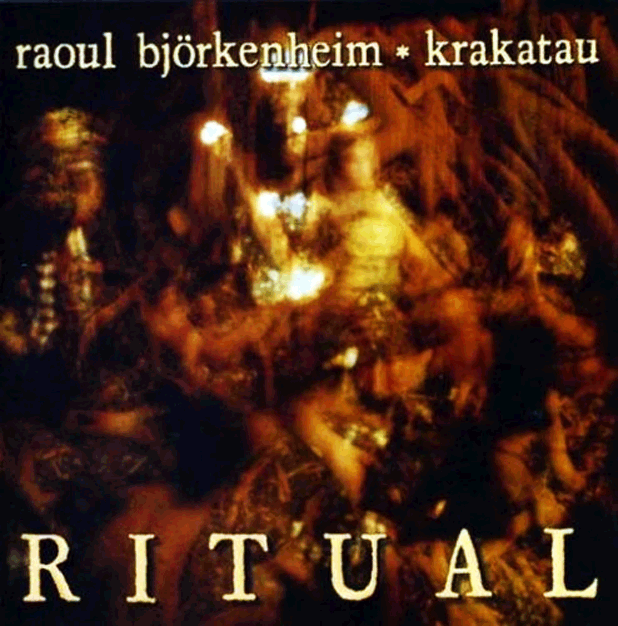
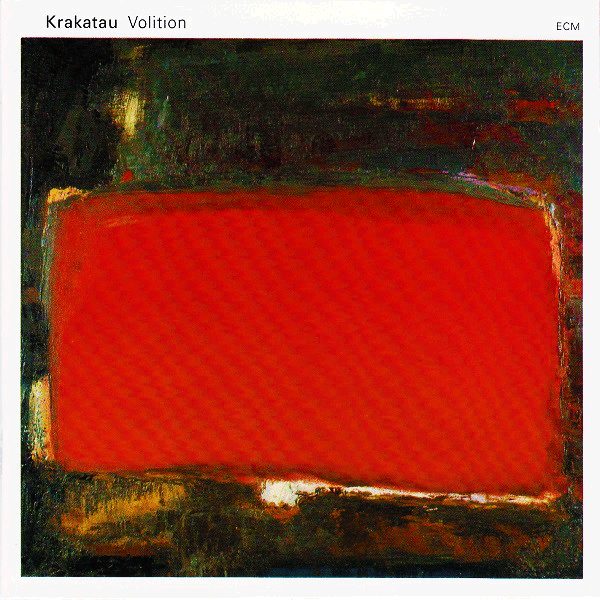
|
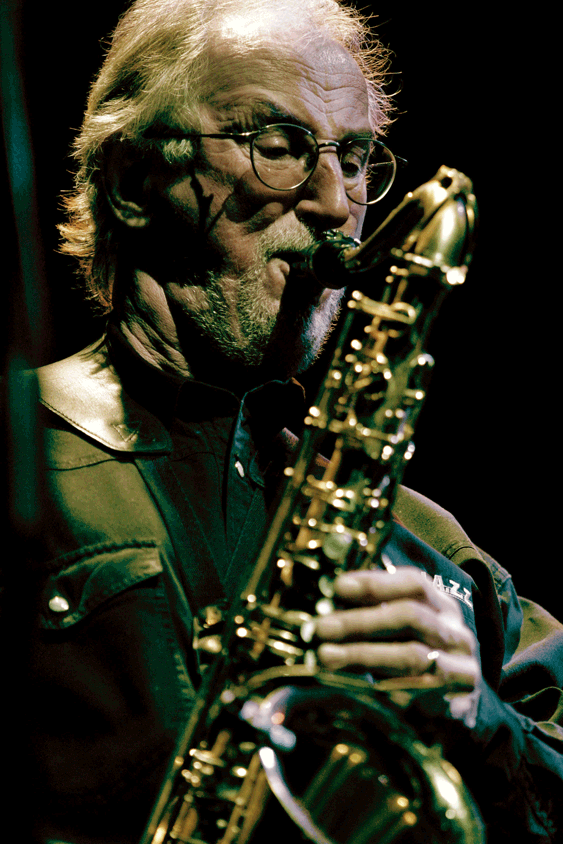
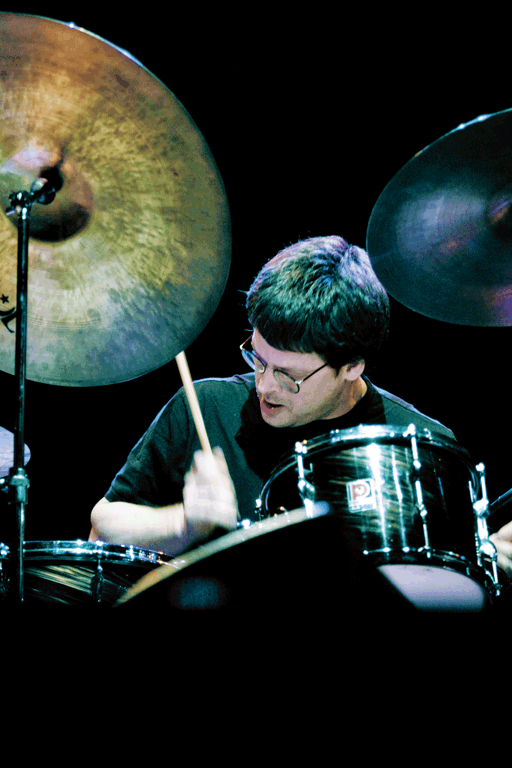
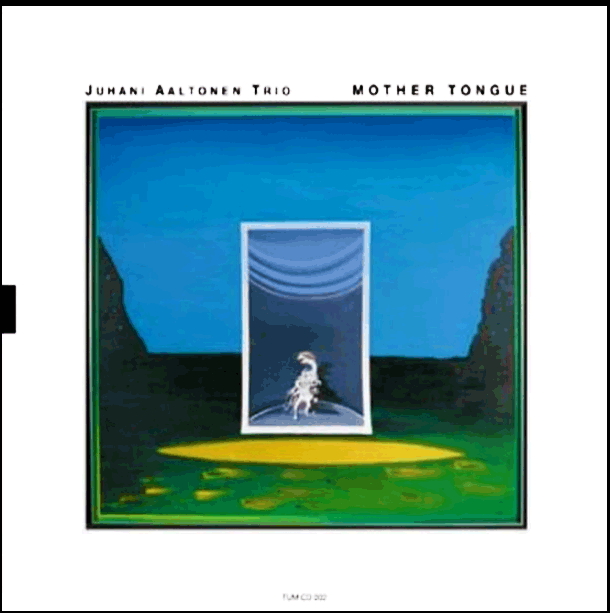
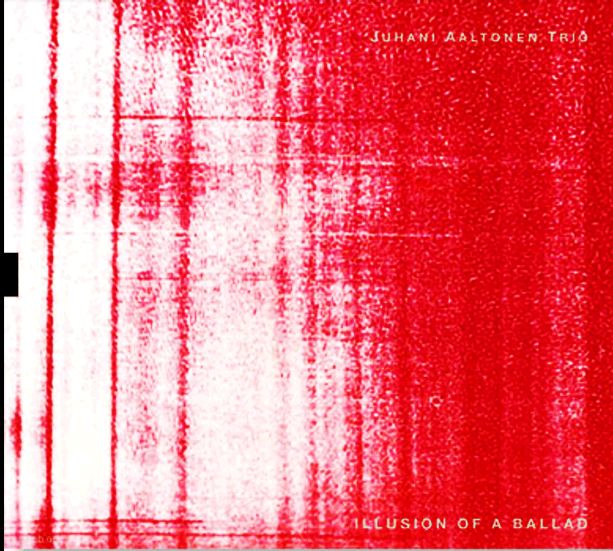
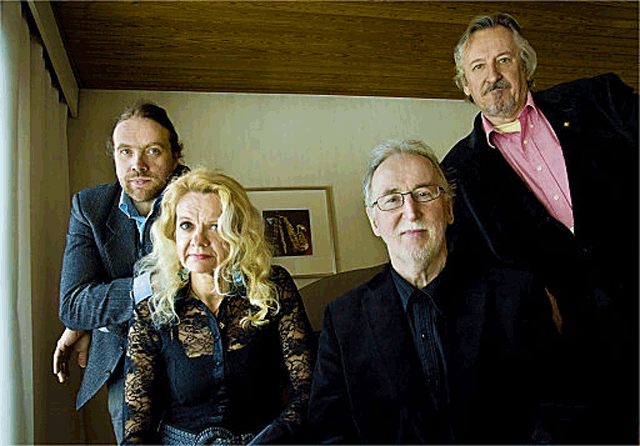
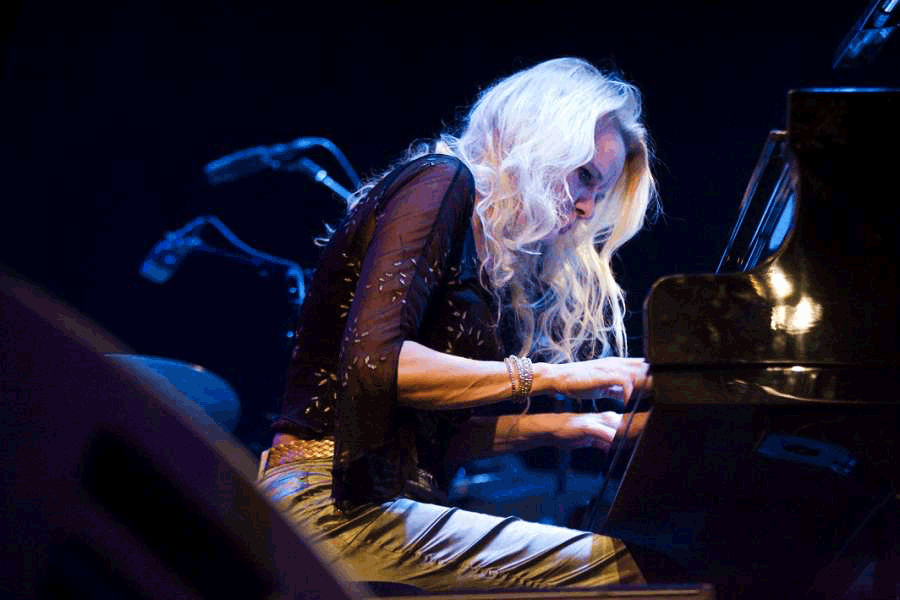
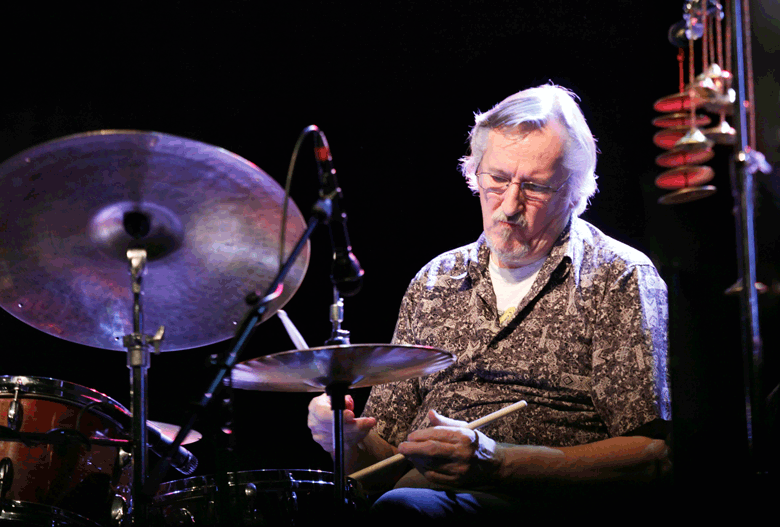
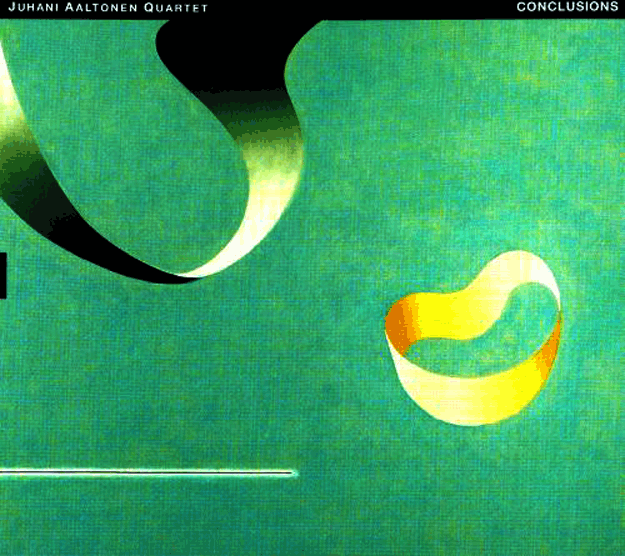
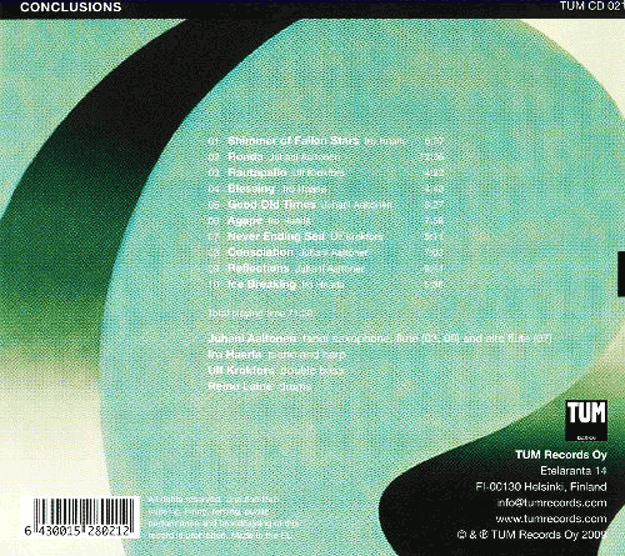
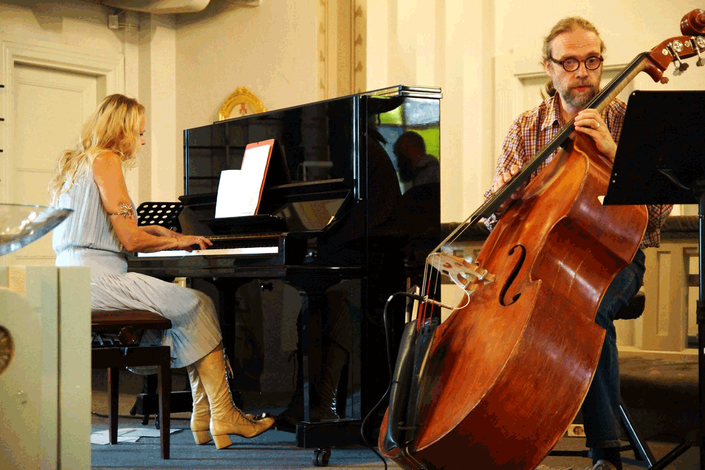
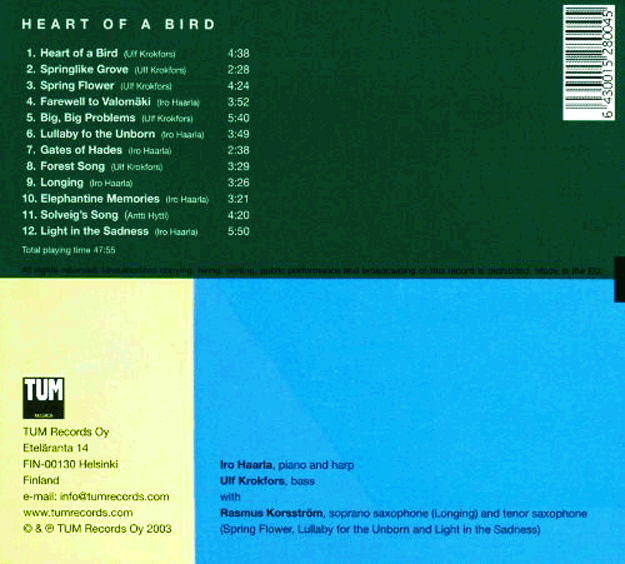
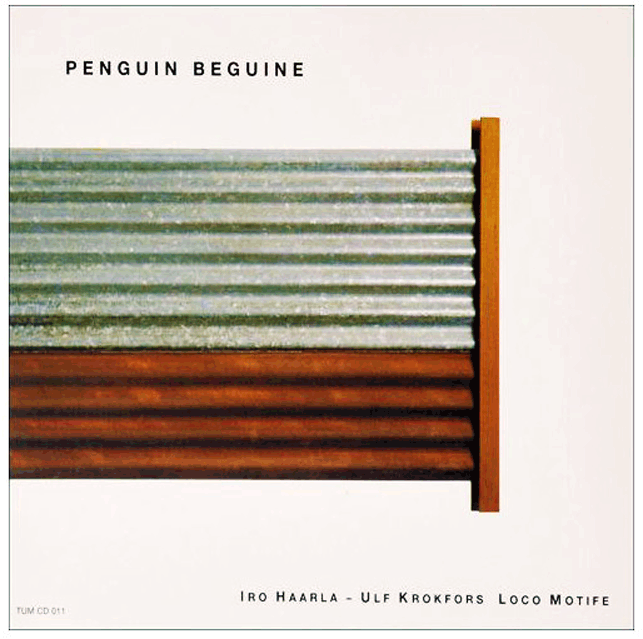
Not to mention those beautiful pages shared with jazz saxophonist and flautist Juhani Aaltonen (Aaltonen Trio with Tom Nekljudow on drums - Mother Tongue, 2002; Illusion of a Ballad, 2005 - The Juhani Aaltonen Quartet with Iro Haarla, Krokfors and drummer Reino Laine: Conclusions, 2008) and the pianist as well as harpist Iro Haarla (Haarla – Krokfors: Heart Of A Bird; Haarla – Krokfors Loco Motife: Penguin Beguine, both licensed by Tum Records). |
Senza dimenticare le splendide pagine condivise con Juhani Aaltonen (Aaltonen Trio con Tom Nekljudow alla batteria: Mother Tongue, 2002; Illusion of a Ballad, 2005 – ed il Juhani Aaltonen Quartet con Iro Haarla ed il batterista Reino Laine: Conclusions, 2008) e la già citata pianista ed arpista Iro Haarla (Haarla – Krokfors: Heart Of A Bird; Haarla – Krokfors Loco Motife: Penguin Beguine licenziati dalla Tum Records). |
Juhani Aaltonen
|
Tom Nekljudow
|
Juhani Aaltonen Quartet
Iro Haarla
|
Reino Laine
|

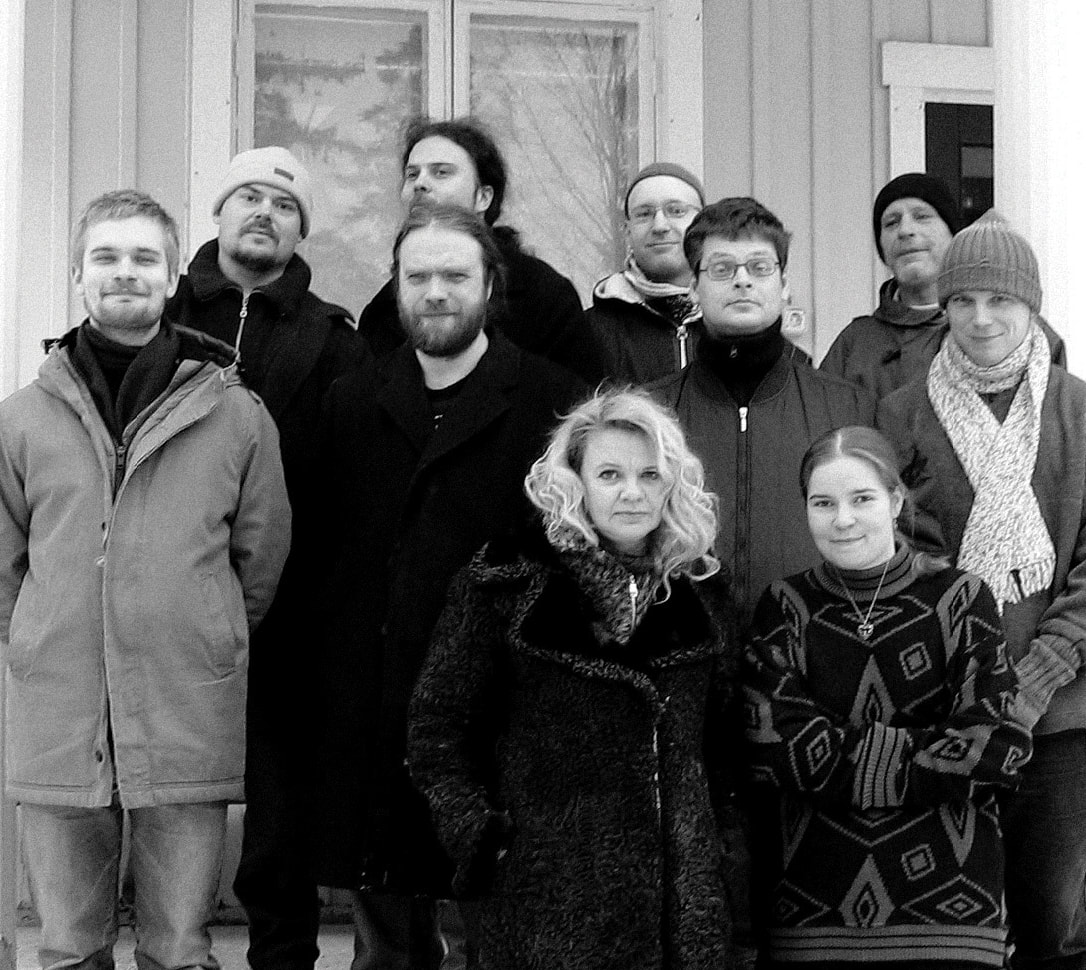
Haarla – Krokfors Loco Motife
|
|
|
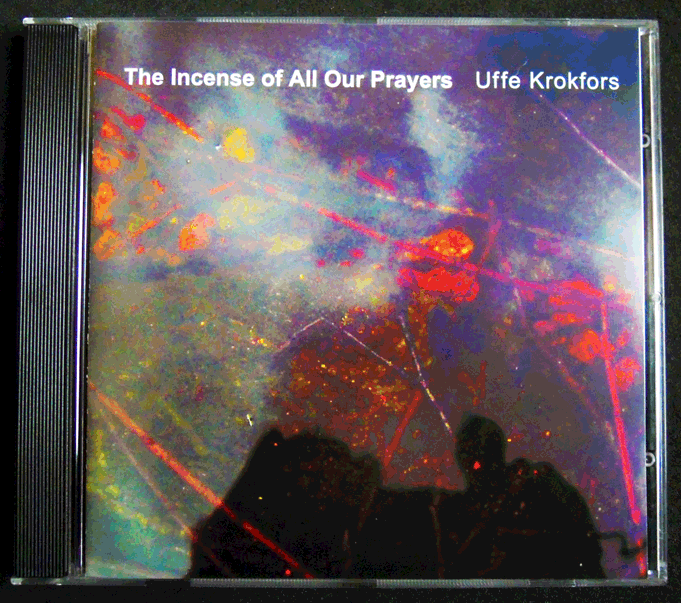
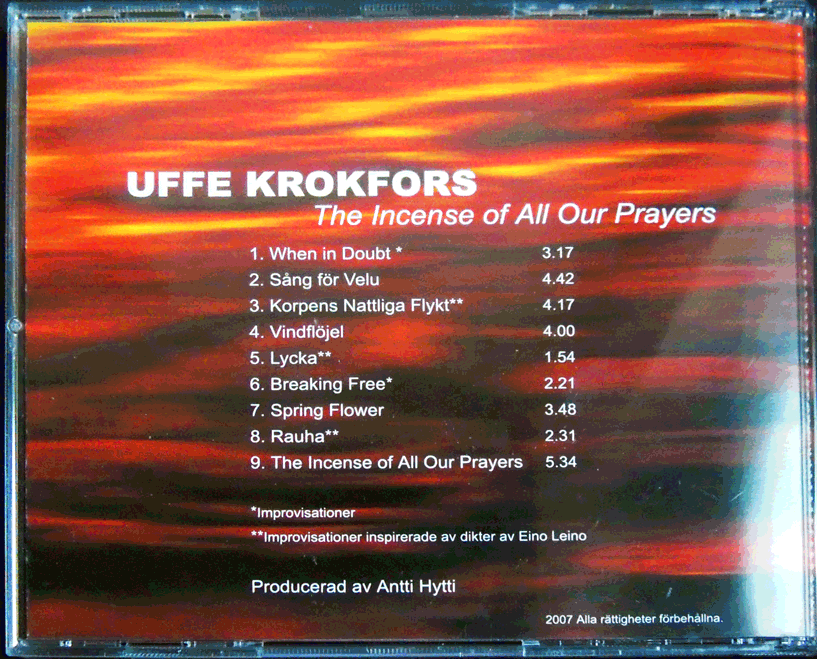
Krokfors has also published in 2008 his first solo album The Incense Of All Our Prayers, a perfect example of “jump without a net” that often could be a bass solo album. Indeed, in this record he proved to best manage the solo dimension, through some sophisticated as well as melodic compositions, within the frame of a surprising and structured free jazz, with anything but expected harmonies. Krokfors is always able to find the enviable balance between a woody, raw, real sound and an immediate concept of his own instrument which is almost suspended between two different worlds: the tradition and the improvisation that is keen to the future as well as to the concrete essence of sound. |
Krokfors ha pubblicato anche un interessantissimo lavoro a suo nome per solo contrabbasso, The Incense Of All Our Prayers, opera che va ad incanalarsi in quel salto senza rete che è sempre un album per solo contrabbasso. Ulf Krokfors ha dimostrato in questo disco di poter gestire al meglio la risorsa dell’espressione in solitaria, con una scrittura complessa ma al contempo melodica, in una sorta di sorprendente free jazz strutturato e dotato di armonie tutt’altro che prevedibili. Krokfors è un contrabbassista che riesce a trovare sempre l’invidiabile bilanciamento tra un suono legnoso, crudo, reale e una concezione urgente del suo strumento, per definizione sospeso tra due mondi: quello della tradizione e quello dell’improvvisazione votata al futuribile e all’attimo concreto del suono. |
|
The Finnish double bass player (b. 1966) is thus one of the leading name of jazz in Finland, a scene that never ceases to amaze. As Ulf has told in our interview, Finland has experienced a more singular development than Sweden, Norway and Denmark. This is a country where music was able to spring to life and regenerate itself; this result has been made possible also by the contribution of some great musicians like Ulf Krokfors, who’s the protagonist of this vivid and steadily increasing jazz landscape. We have told about that and much more with Ulf in this interesting interview. |
Il contrabbassista finlandese, classe 1966, è dunque uno dei nomi di punta del jazz finlandese, che non finisce mai di stupire. Come stesso Ulf ci ha dichiarato, la Finlandia ha vissuto musicalmente una dimensione più “solitaria” rispetto a Svezia, Norvegia e Danimarca, ma ha saputo generarsi e rigenerarsi da se stessa, e oggi, grazie anche a musicisti come Ulf Krokfors, è una scena vivida e in continua crescita. Di questo e di molto altro abbiamo chiacchierato con Ulf, nell’interessantissima intervista alla quale vi lasciamo. |
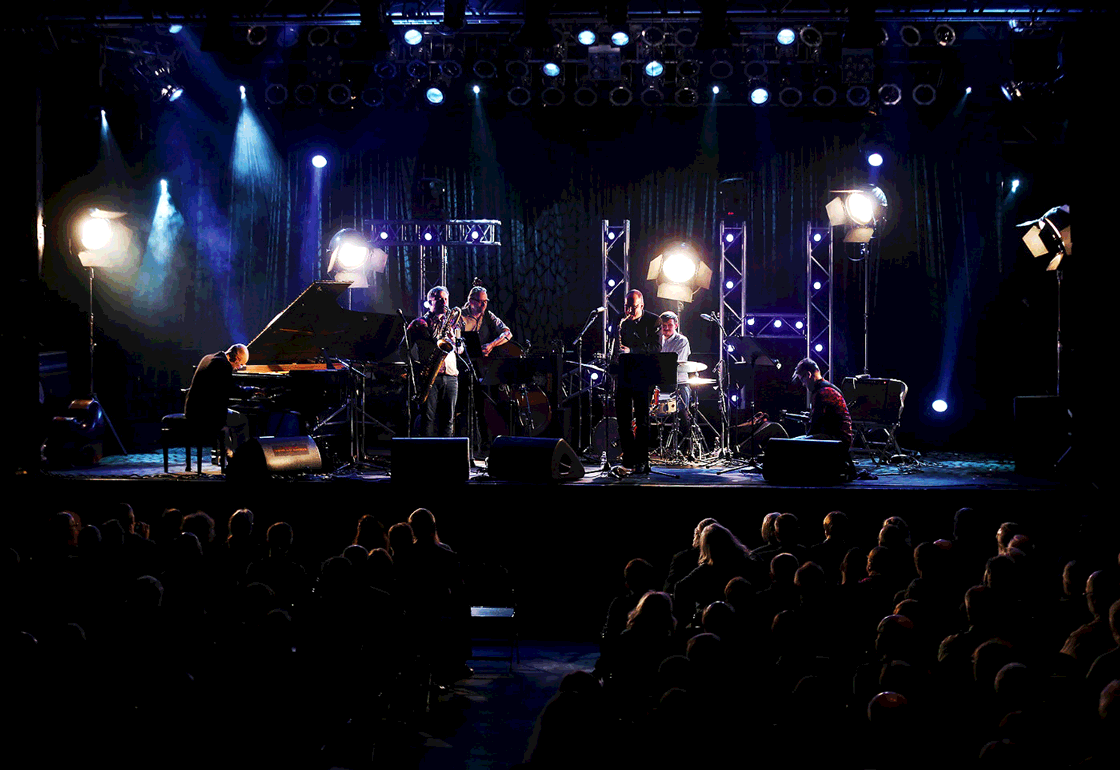
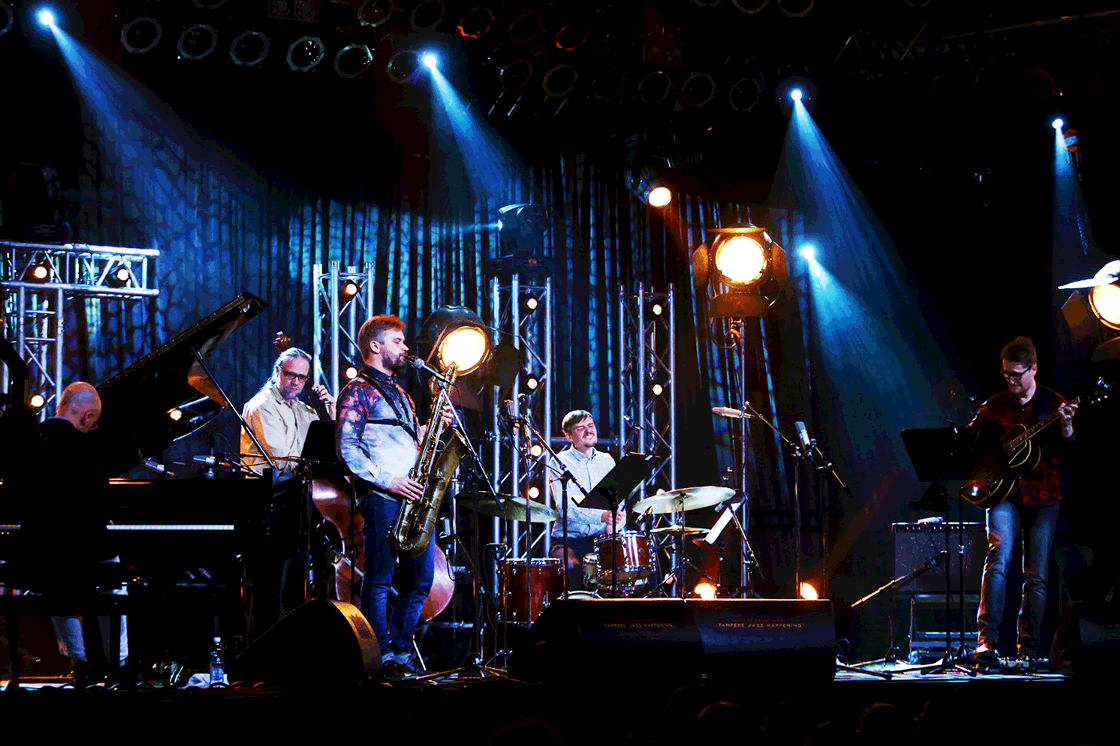
THE FINNISH JAZZ FEDERATION ANNIVERSARY ORCHESTRA 2016
Mikko Innanen - Sax / Teemu Viinikainen - guitar / Teppo Mäkynen - drums / Kari Ikonen - keys / Ulf Krokfors - bass / Esa Pietilä - sax
Mikko Innanen - Sax / Teemu Viinikainen - guitar / Teppo Mäkynen - drums / Kari Ikonen - keys / Ulf Krokfors - bass / Esa Pietilä - sax

|
|
|
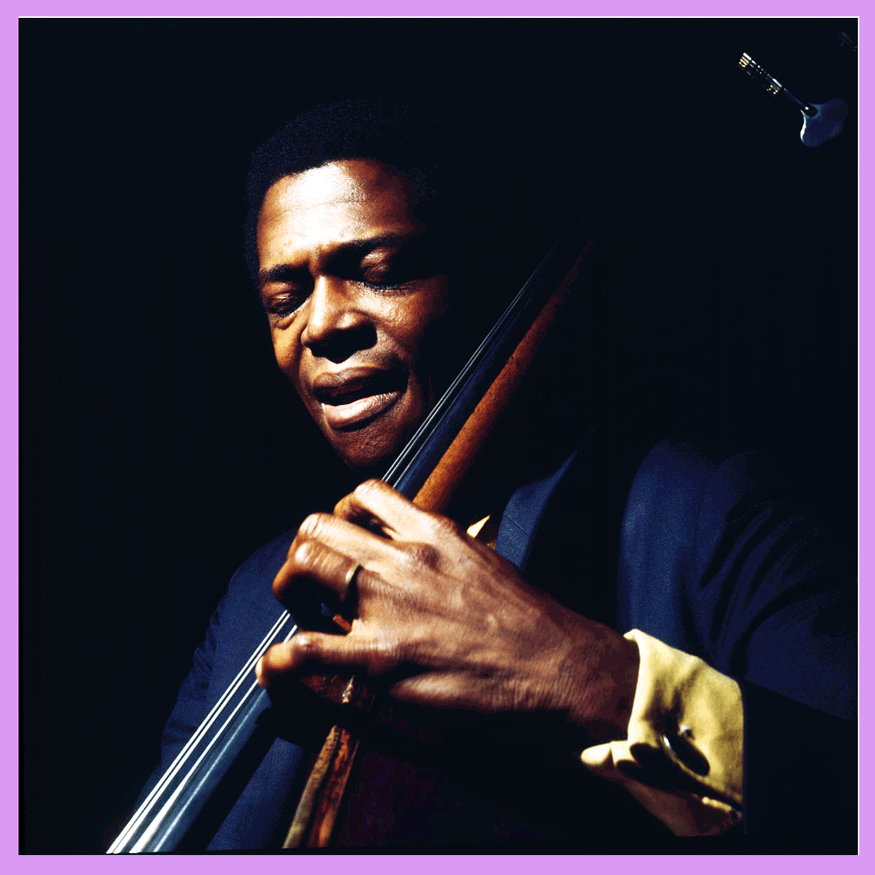
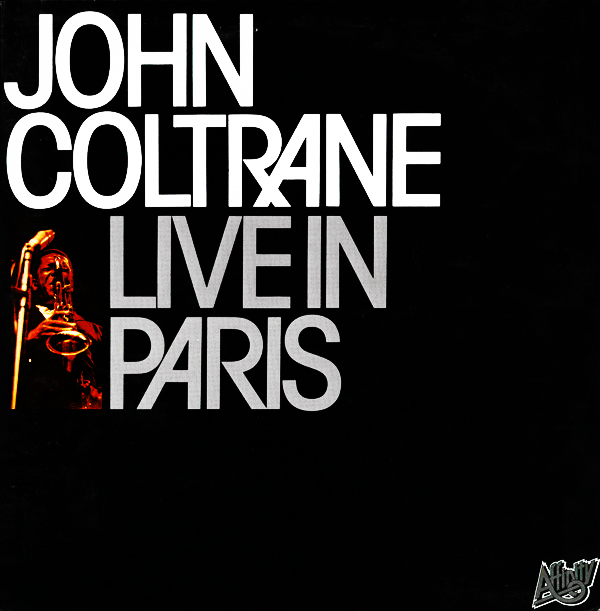
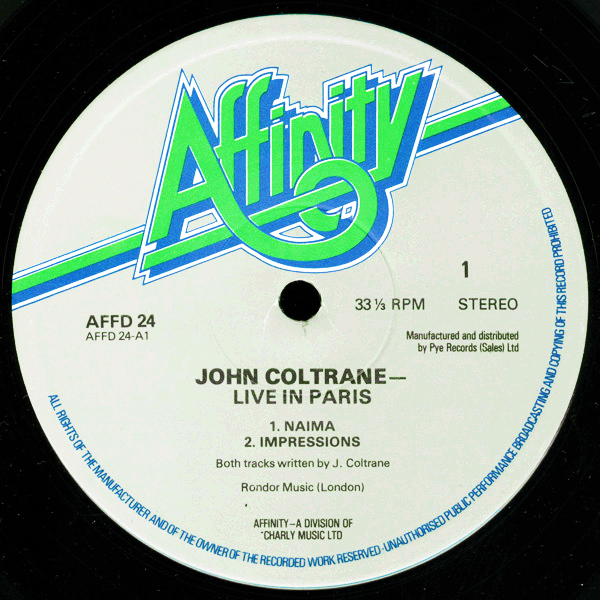
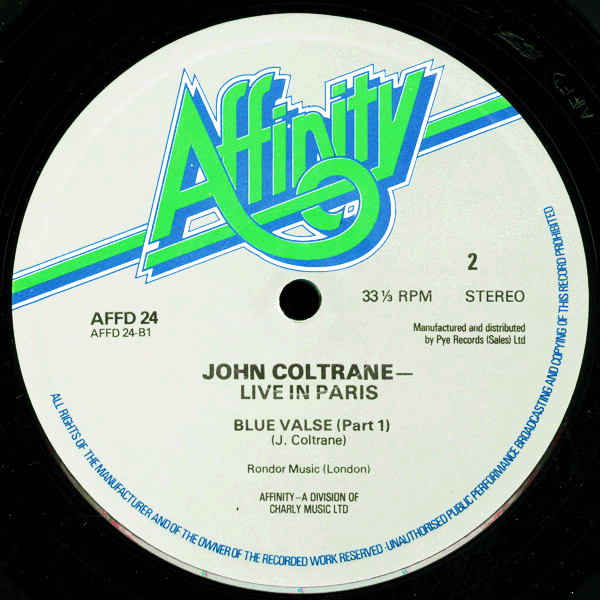
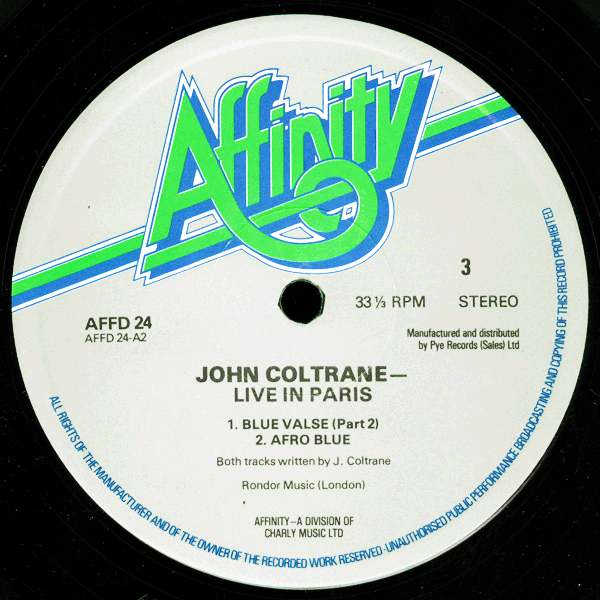
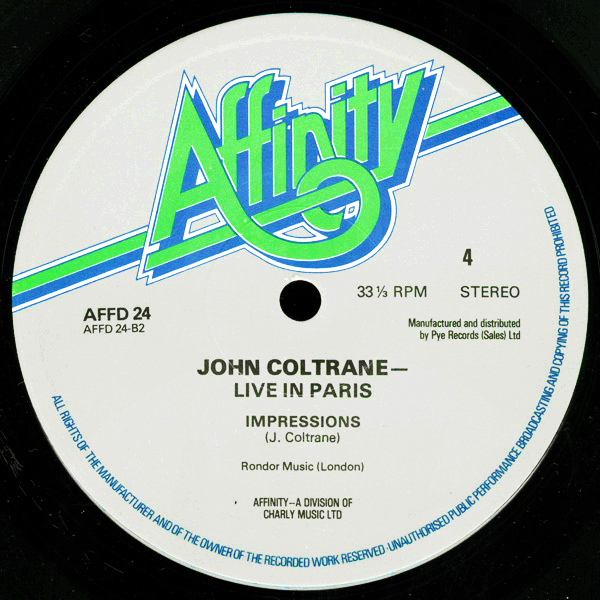
BMF: Let’s start from your beginnings. Would you like to tell us how did you start to approach double bass? Why did you choose it? ULF KROKFORS: My father used to listen to jazz at home when I was a kid. I feel in love with the feeling of the music and somehow got the idea to start to play the trumpet. Unfortunately I did not find a good teacher so that career never really took off... One day at a friend’s house we listened to a John Coltrane record: Live in Paris. There was a long bass solo by Jimmy Garrison: that was it!!! I find myself going back to that particular solo when I feel like getting back the "first love", the reason why I started to play doublebass. |
BMF: Parliamo dei tuoi inizi. Quale è stato il tuo primo approccio al basso e perché lo hai scelto? UFFE KROKFORS: Mio padre era solito ascoltare jazz a casa quando ero un ragazzo. Mi innamorai dell’atmosfera che ne scaturiva ed in qualche modo mi balenò l’idea di iniziare a suonare la tromba. Sfortunatamente non riuscii a trovare un bravo insegnante perciò quella carriera non decollò mai veramente… Un giorno a casa di un amico ascoltavamo un disco di John Coltrane, Live in Paris. C’era un lungo assolo di basso di Jimmy Garrison: è andata così! Mi ritrovai a riascoltare quel particolare assolo e sentivo di ritornare al mio “primo amore”, ragion per cui cominciai a suonare il contrabbasso. |
|
|
|
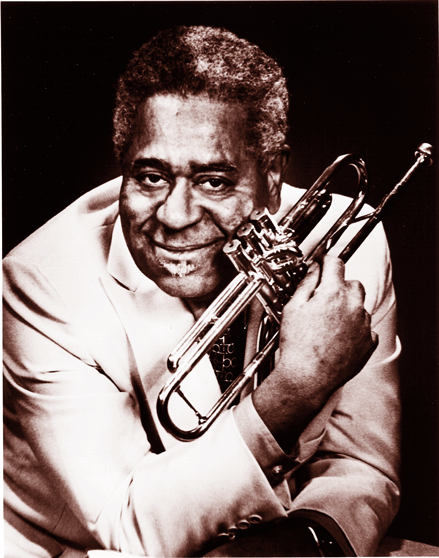
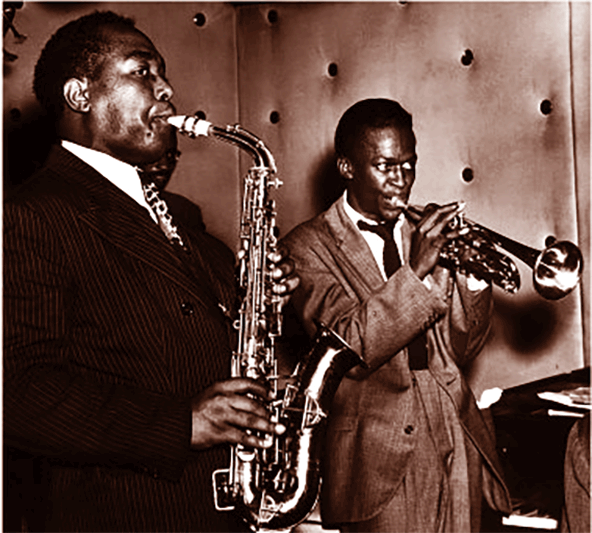
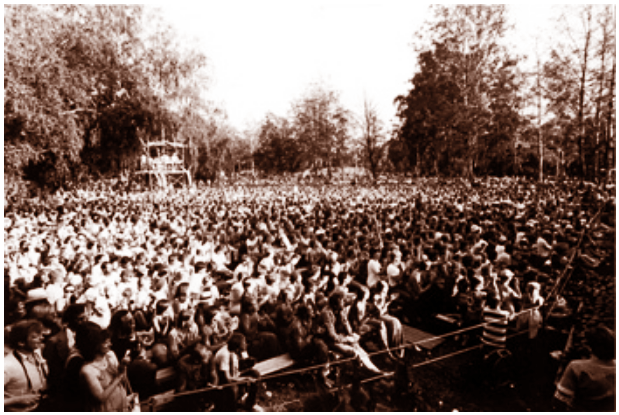
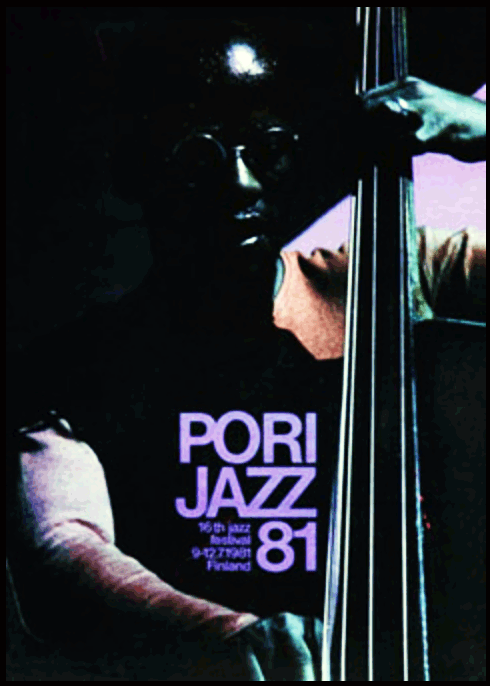
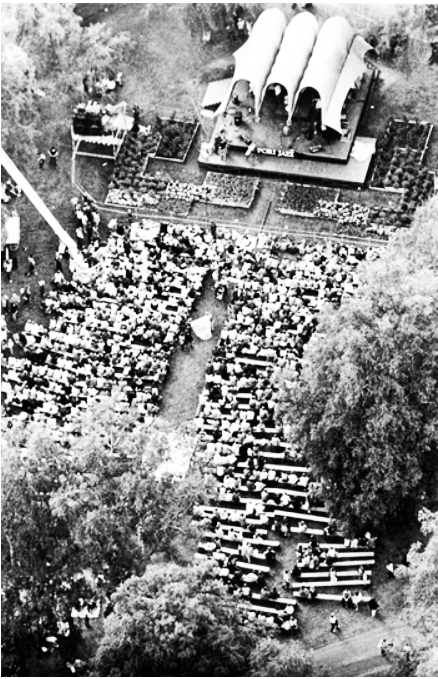
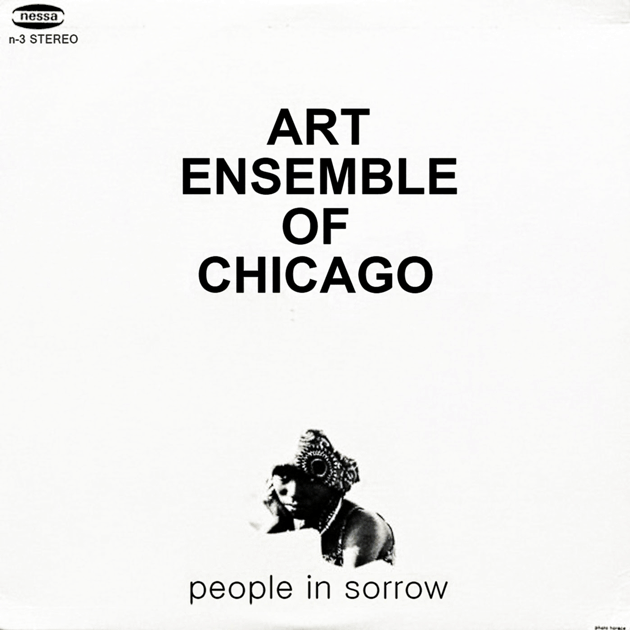
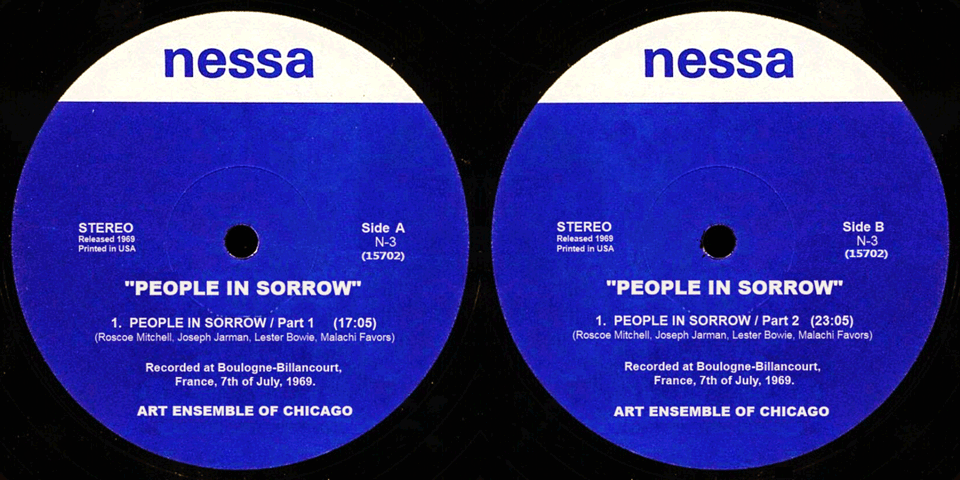
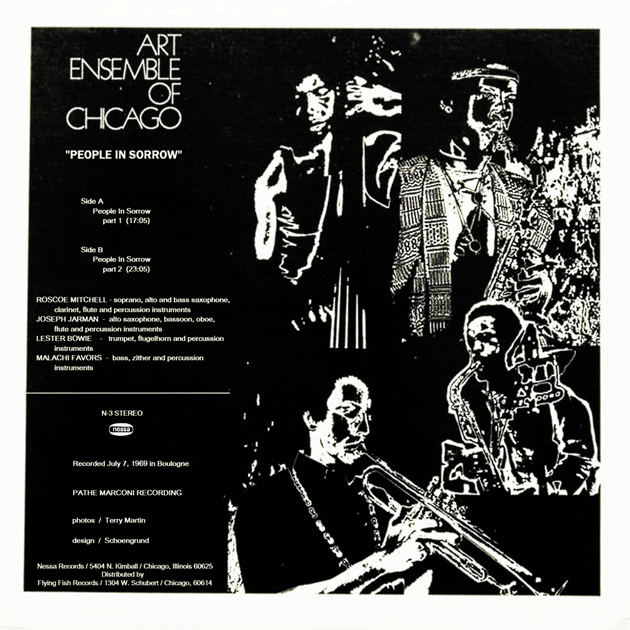
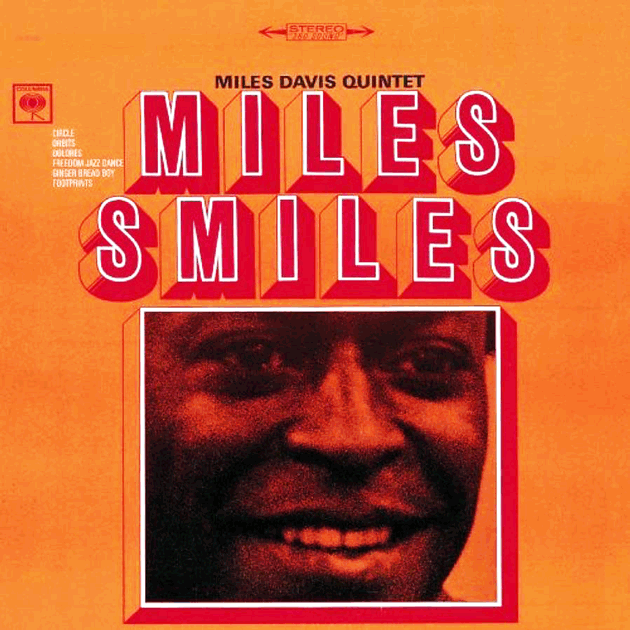
BMF: What kind of music did you usually listen to during your formative years? Who were the musicians by whom you get inspired? And what about your main influences especially as regards double bass? UK: I listened a lot to be-bop: Dizzy Gillespie, Charlie Parker and Miles Davis. Then I went to Pori Jazz Festival in 1981 where Tomasz Stanko played with Edward Vesala and Reggie Workman. During this time I still tried to play the trumpet but musically I felt that I understood right away what was happening. It felt like my "mother tongue" . That style, "beautiful free music" , like Tomasz Stanko described the music once, has stayed with me. Art Ensemble of Chicago was a huge inspiration also during that time. Especially the record People In Sorrow. Of course also the Miles Davis Quintet of the sixties, especially the record Miles Smiles. My main influences in regard of bassplayers are Jimmy Garrison and Charlie Haden. Later I have listened to so many fantastic players: Vitous, Anders Jormin, Palle Danielsson..... |
BMF: Che tipo di musica eri solito ascoltare durante gli anni della tua formazione? Quali sono state le tue ispirazioni specie quelle bassistiche? UK: Ho ascoltato molto be-bop: Dizzy Gillespie, Charlie Parker e Miles Davis. In seguito andai al Pori Jazz Festival nel 1981 dove Tomasz Stanko suonava con Edward Vesala e Reggie Workman. Durante quel periodo provavo ancora a suonare la tromba ma musicalmente mi resi conto di aver capito all’istante cosa stesse accadendo. Risuonava come la mia “lingua madre”. Quello stile è rimasto con me, “quella musica free meravigliosa”, alla stregua di come la descrisse una volta Tomasz Stanko. Anche l’Art Ensemble of Chicago è stato un’ispirazione enorme per me in quel periodo. Specie il disco People In Sorrow. Certo anche il Miles Davis Quintet degli anni sessanta, in particolare l’album Miles Smiles. Le mie principali influenze riguardo ai bassisti sono Jimmy Garrison e Charlie Haden. Più tardi ho sentito molti musicisti fantastici come Vitous, Anders Jormin, Palle Danielsson..... |
|
|


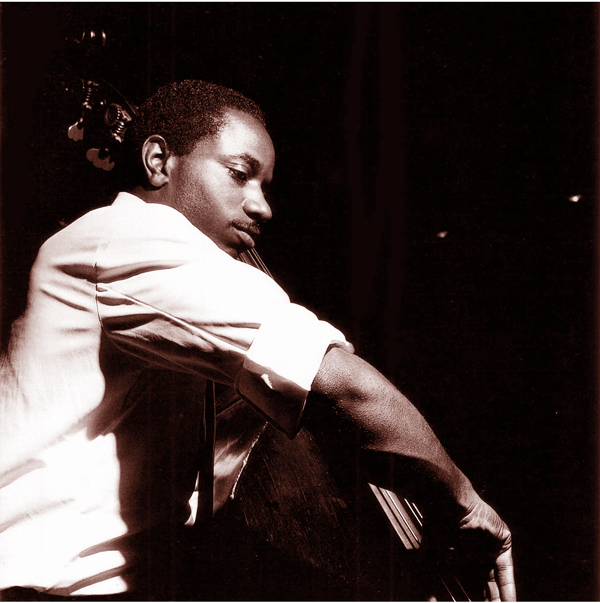
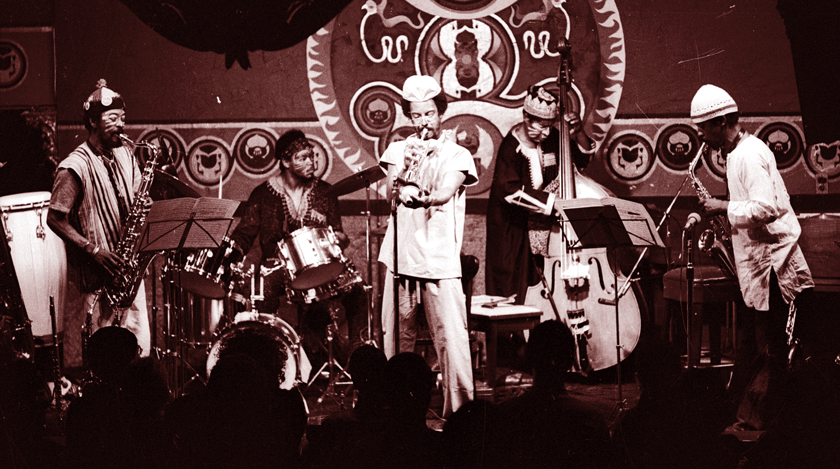
Art Ensemble of Chicago
|
|


|
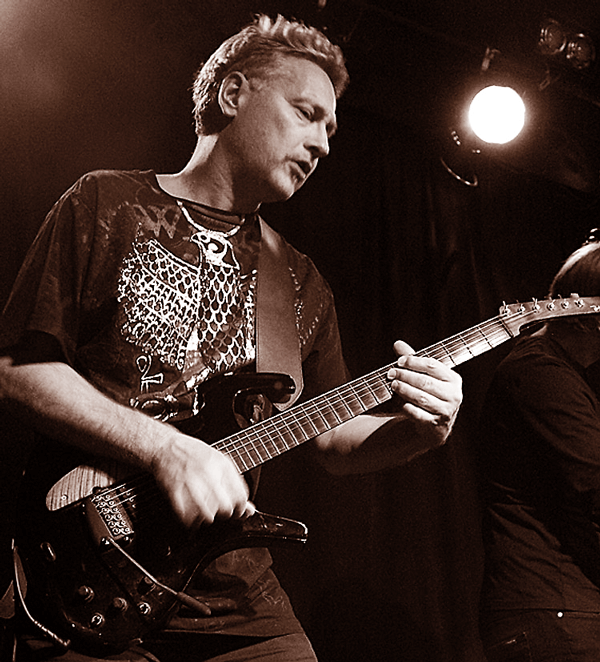
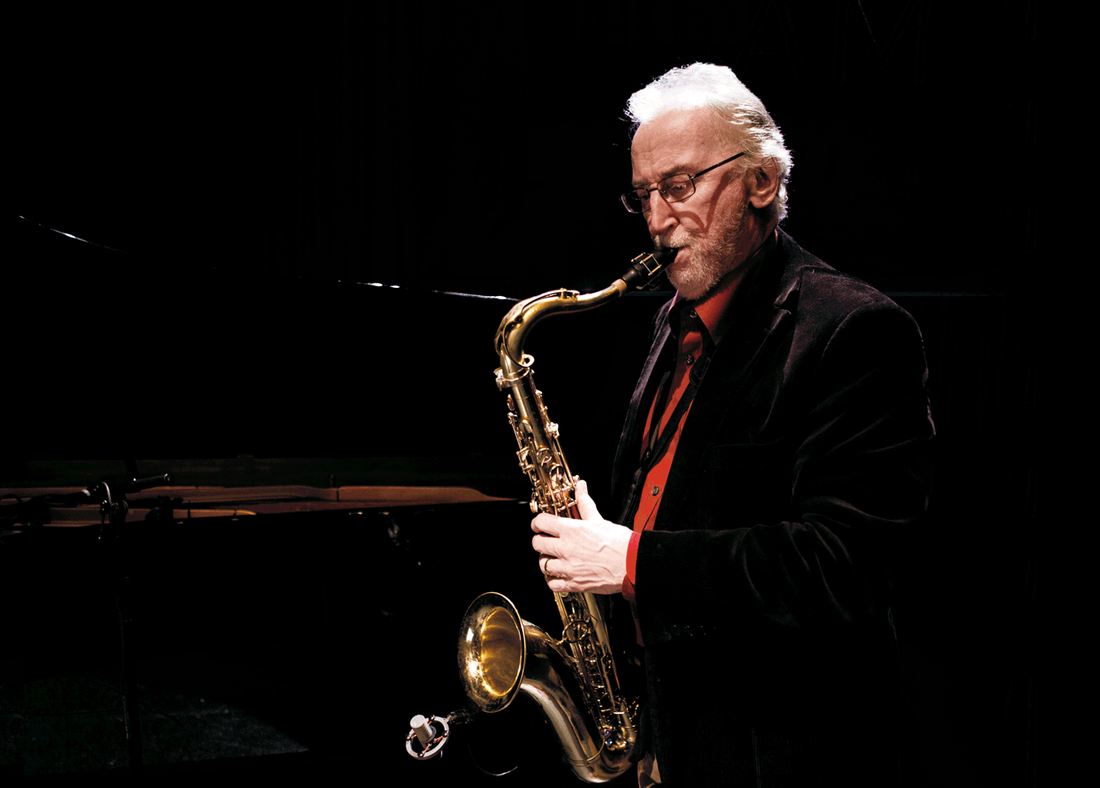
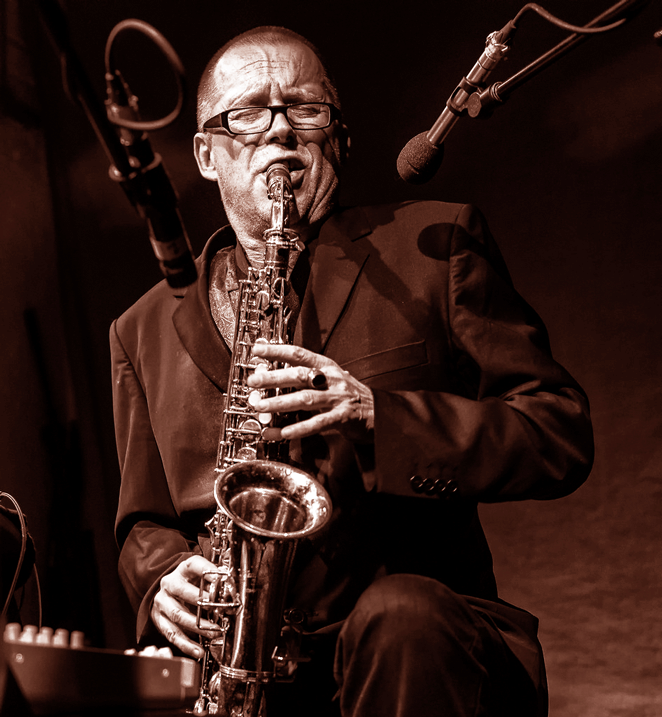
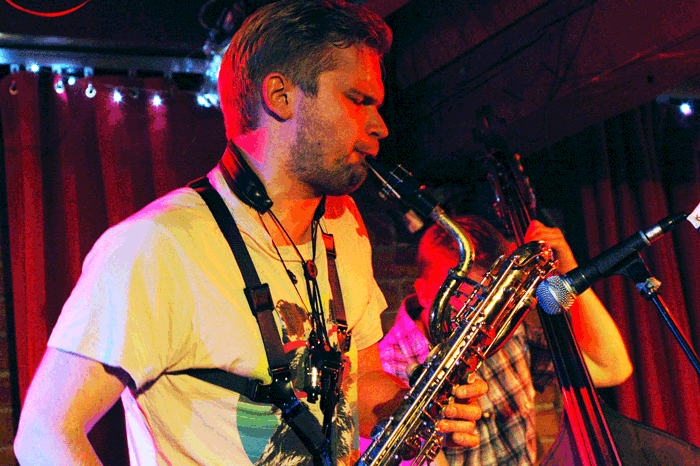
BMF: I’d like to know what you think about jazz in Finland as an insider, a country that has proved to be very eclectic and creative from all the points of view.. UK: Musically there are interesting people doing interesting stuff: Raoul Björkenheim, Juhani Aaltonen, Jone Takamäki, Mikko Innanen.... Because we are rather isolated also geographically that has meant that some of the things that happened in Sweden and Norway did not occur here. I am thinking of Black American musicians like Dexter Gordon, George Russell and Ben Webster who spent long times in these countries, thus leaving a vivid impression on the musicians there. This did not happen in Finland. We have therefore been "forced" to come up with some own stuff. Some of it has taken on and grown, like the free music we make in Finland. It is a little different than the stuff our friends in Norway or Sweden make. Economically we are underpaid! It´s a real struggle but I guess that is the way it is everywhere nowadays... |
BMF: Vorrei il tuo punto di vista dall’interno sul jazz in Finlandia, che si è dimostrata una terra molto prolifica e creativa sotto tutti i punti di vista... UK: Da un punto di vista musicale ci sono artisti che creano materale interessante: Raoul Björkenheim, Juhani Aaltonen, Jone Takamäki, Mikko Innanen... Dal momento che siamo piuttosto isolati - anche geograficamente - ciò ha comportato che alcuni sviluppi avvenuti in Svezia e Norvegia non abbiano avuto seguito qui. Penso a musicisti neri americani come Dexter Gordon, George Russell e Ben Webster che hanno trascorso molto tempo in questi paesi, dunque lasciando una vivida impronta sui musicisti di lì. Questo non è accaduto in Finlandia. Noi siamo stati infatti “spinti” a produrre nostre creazioni. Alcune di queste sono state riprese e sviluppate, come la musica free che facciamo qui. Si tratta di qualcosa di un po’ diverso rispetto a quanto proposto dai nostri amici in Norvegia o in Svezia. Dal punto di vista economico siamo sottopagati! È davvero una lotta ma credo che le cose stiano così ovunque oggigiorno…. |

|
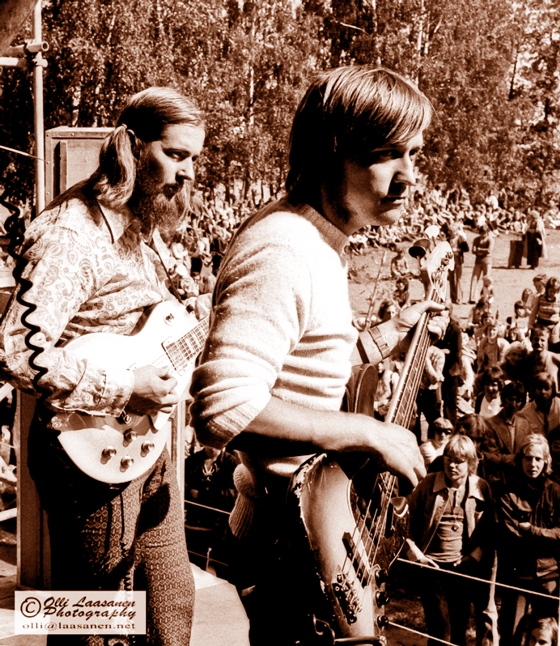
BMF: By remaining within your homeland, it is undeniable that the school of double bass has been and continues to be considerable: there are some great names that come to mind like Teppo Hauta-aho, Pekka Sarmanto, Haka, you… Who’s the Finnish double bass player you feel closer to as regards your growth and the development of your personal style? UK: Antti Hytti. He is responsible for hooking me on to Charlie Haden and to think of the bass as a singing, melodic instrument. An instrument that has a very melodic role to play in the music. In the music I play I always try to create strong melodic lines and since the harmonic structure is usually very open I can succeed most of the time. Antti was the founding member of trailblazing group Piirpauke. A band that play ethno-music before it became a thing.... |
BMF: Restando alla tua terra natia, è innegabile che anche la scuola contrabbassistica sia stata e sia tuttora rilevante: mi vengono in mente musicisti come Teppo Hauta-aho, Pekka Sarmanto, Haka (Heikki Virtanen), tu… A quale contrabbassista finlandese sei più legato per la tua crescita e il tuo stile? UK: Antti Hytti. È stato lui a farmi arrivare a Charlie Haden e a indurmi a intendere il basso quale strumento vocale e melodico. Uno strumento che ha davvero un ruolo melodico da giocare nella musica. Nei pezzi che suono personalmente cerco sempre di creare solide linee melodiche e giacchè la struttura armonica è di solito sempre molto aperta, ci riesco il più delle volte. Antti è stato il membro fondatore del gruppo d’avanguardia Piirpauke. Un complesso che fa musica etnica prima che questo genere diventasse un'altra cosa…. |

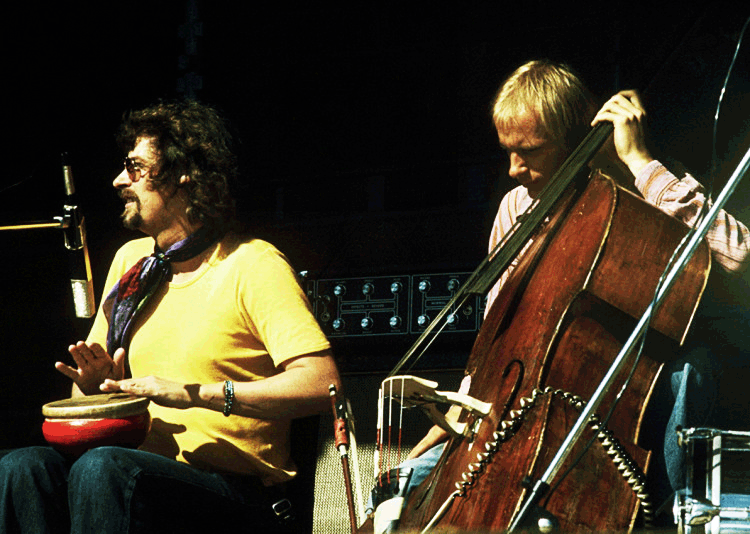
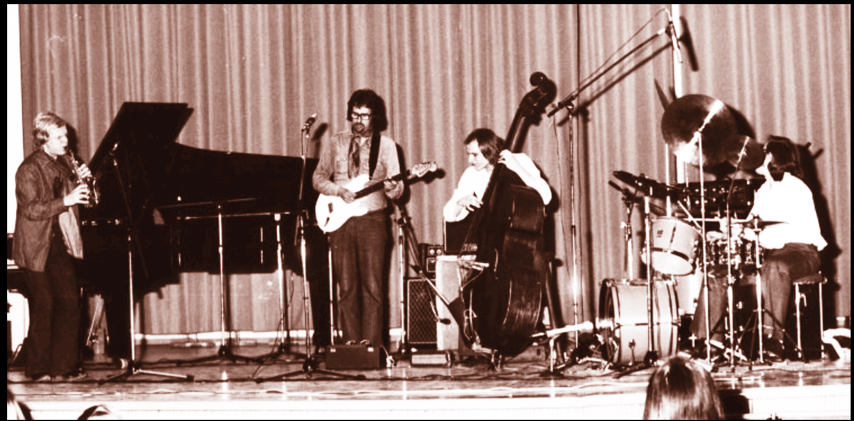
Piirpauke
|
BMF: You have recorded a fantastic solo album called The Incense Of All Our Prayers, that is to say a work for double bass of great intensity. There’s an alternation between improv and composition. Between the two, which is your favorite dimension? UK: I like improvisations that sound like compositions. What I miss in most of free music is form. In order to get that form in the music you have to listen to music with form. That´s why I do not listen to free music usually at home. Stockhausen said that he wanted musicians who could play "determined music" in order to play his "undetermined music". You know what I mean? Lee Konitz said that «If you go on unprepared then you really have to prepare» That´s it. There is much to learn for me in this field. On the other hand: I try to avoid getting too "brainy". It is also about letting it flow, just do. |
BMF: Hai inciso un disco solista splendido, The Incense Of All Our Prayers, un’opera di grande intensità per solo contrabbasso. C’è un’alternanza tra improvvisazione e composizione. Tra le due qual è la tua dimensione preferita? UK: Mi piacciono le improvvisazioni che sembrano composizioni. Quello che mi manca in molta della musica free è una forma. Al fine di imprimere una forma alla musica devi necessariamente ascoltare della musica che ne sia dotata. Ed è la ragione per cui io non ascolto il free a casa. Stockhausen diceva che voleva musicisti che potessero suonare “musica scritta” così da interpretare la sua “musica indefinita”. Capisci cosa intendo? Lee Konitz disse che “se tu vai avanti impreparato allora dovrai davvero prima o poi improvvisare”. È tutto qui. C’è ancora molto da imparare per me in questo campo. Viceversa cerco di evitare di diventare troppo “cervellotico”. Si tratta anche di lasciar fluire ogni cosa, semplicemente suonare. |
|
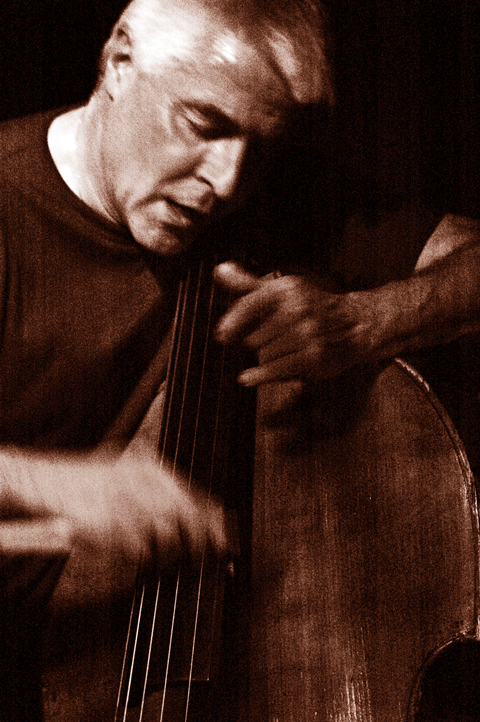
BMF: When do you plan to release a new solo album? And keeping with double bass solo records, I guess you have appreciated the works of Peter Kowald, Barre Phillips, Barry Guy… Would you agree that the recording of a double bass solo work is a test of courage and freedom? And what about your personal experience? UK: It takes some courage to be in the spot when you have to create music that touches people. I like to give people some comfort. I do not see bass solo records as feats of technical prowess. If the music is good then it does not matter if it is "only" played on the bass. But in order to do that you really have to have a Song in you. There has to be something that is totally yours and that you want to share with people. |
BMF: A quando un nuovo lavoro solista? E restando in tema di contrabbasso solo, immagino tu abbia apprezzato i lavori di Peter Kowald, Barre Phillips, Barry Guy… sei d’accordo che incidere un disco per solo contrabbasso sia una prova di coraggio e di libertà? UK: Ci vuole coraggio ad essere sotto i riflettori quando devi comporre della musica che tocchi le persone. Mi piace donare un qualche conforto alla gente. Io non intendo i dischi di solo basso come sfoggio di prodezze tecniche. Se la musica è bella allora non importa se è “solo” suonata al basso. È necessario che ci sia sempre qualcosa di totalmente personale che si desideri condividere con le persone. |

|
BMF: You have recorded with a group that I love so much and that I think it’s been one of the most innovative among the ones proposed by the label ECM, that is to say Krakatau… Would you like to talk about this experience? UK: For me that band was my college. To play with older, wiser musicians really gave me a boost. I had resigned from a band (Edward Vesala Sound and Fury) and felt quite lost for a while until Raoul asked me to join his band. It was a fruitful seven years. We rehearsed like crazy: everyday (not Christmas) we were down in the cellar trying to find new ways to create strong music. I think we did quite well. I loved to be in that band! After we disbanded I had some problems to adapt to the way other musicians rehearsed: two or three rehearsals and then doing the gig. That was a totally different way of music making and it took some time to adapt. I still miss to be in a band that tries to find some new ways, and doing it together on a regular basis. This "professional" way of doing things I still find strange. I like the camraderie that some bands convey from the stage. Wayne Shorter current quartet works like that I think. |
BMF: Hai inciso con un gruppo che amo molto e che trovo sia stato uno dei più innovativi proposti dall’etichetta ECM, i Krakatau… ci racconti di questa esperienza? UK: Quella band per me è stata la mia scuola. Suonare insieme a musicisti più grandi e più navigati mi ha dato realmente uno stimolo. Avevo appena lasciato un gruppo (Edward Vesala Sound and Fury) e mi sentii abbastanza perso per un certo periodo fino a quando Raoul non mi chiese di unirmi alla sua band. Furono sette anni fertili. Provavamo come pazzi: ogni giorno (tranne a Natale) eravamo giù in cantina a cercare di trovare nuove strade per comporre della valida musica. Credo che ci siamo riusciti abbastanza. Adoravo far parte di quella band! Dopo esserci sciolti incontrai molte difficoltà ad adattarmi al modo di provare degli altri musicisti: due o tre prove e subito ad esibirsi. Era una modalità radicalmente differente di fare musica e ci è voluto un po’ di tempo per adeguarmi. Ancora mi manca far parte di una band che tenti di trovare nuove strade espressive, e farlo insieme ad intervalli regolari. Questo metodo “professionale” di fare le cose lo trovo ancora singolare. Mi piace lo spirito di squadra che alcune band comunicano dal palco. Il quartetto attuale di Wayne Shorter funziona in questo modo, credo. |
|
|
|
|
|
|
|
BMF: Among your precious collaborations, it’s really amazing the one with the pianist Iro Haarla… These are works of great originality. Would you like to talk about this successful partnership? UK: Well, we are also married so we share our lives there also. People think we practice a lot together but we never do! What is there to rehearse when we have had this understanding of each other´s playing since the first note we played together? ( It was at Vesala´s memorial concert in Pori Jazz 2000.) Of course we rehearse the beautiful melodies that Iro writes but apart from that we never plan the music. BMF: Besides your artistic union with the great Edward Vesala, who are the artists whom you would consider as trail mates and sort of “brothers” in the course of your career and personal path? UK: Juhani Aaltonen and Iro. With Juhani I have the same musical understanding. It just works. Jone Takamäki from Krakatau has also been a brother. He will join our trio with Iro for some concerts next year. |
BMF: Tra le tue collaborazioni, magnifica è quella con la pianista Iro Haarla… lavori di grande originalità. Ci racconti di questa partnership così riuscita? UK: Dunque, siamo anche sposati, quindi, condividiamo anche le nostre vite. La gente pensa che ci esercitiamo molto insieme ma non lo facciamo mai! Che senso ha stare lì a provare quando abbiamo avuto questa comprensione reciproca del nostro sound sin dalle prime note suonate insieme? (Fu al concerto in memoria di Vesala al Pori Jazz 2000). Certo proviamo le melodie meravigliose che Iro compone ma a parte questo non pianifichiamo mai la musica. BMF: Oltre al connubio artistico con il grande Edward Vesala, chi hai avuto come compagni di viaggio e fratelli nel corso della tua carriera e del tuo percorso personale? UK: Juhani Aaltonen ed Iro. Con Juhani ho lo stesso modo di concepire la musica. Semplicemente funziona. Anche Jone Takamäki dei Krakatau è stato un fratello per me. Si unirà al nostro trio con Iro per alcuni concerti il prossimo anno. |
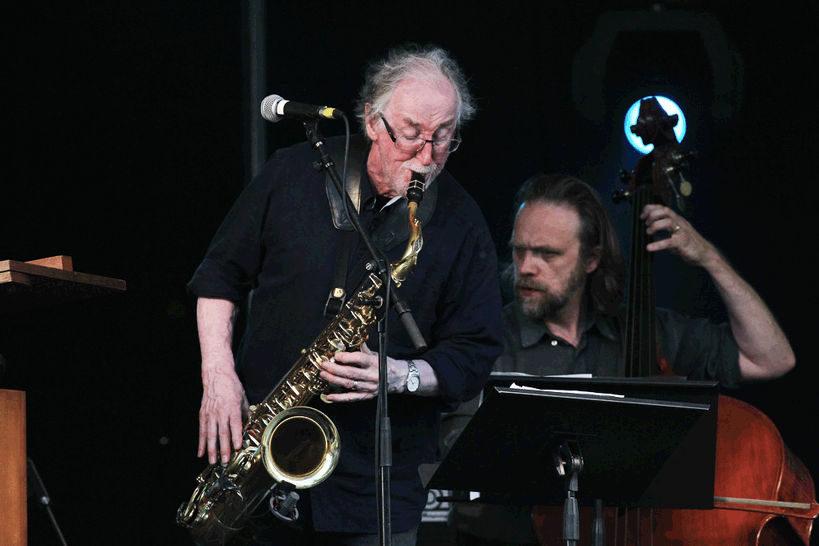
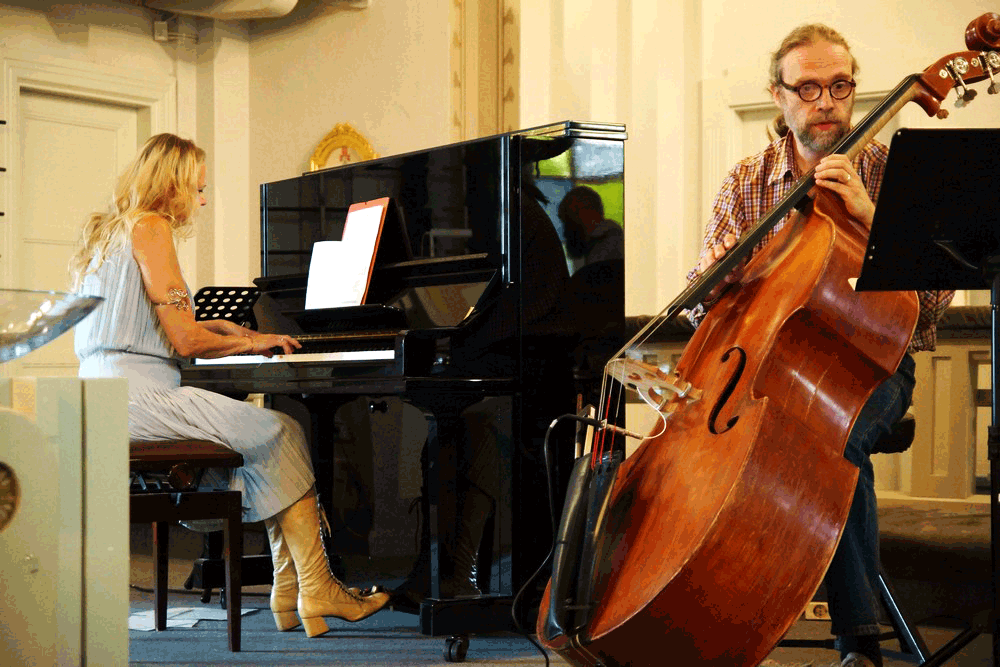
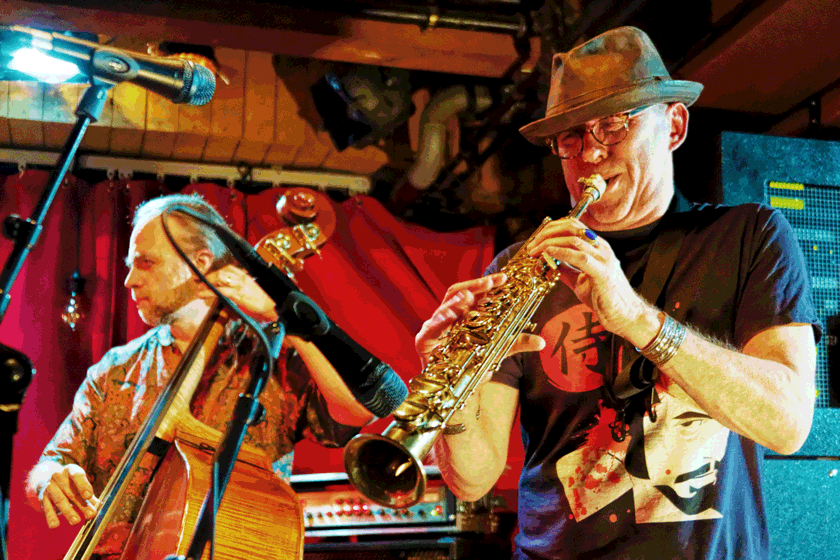
Ulf Krokfors & Jone Takamäki
|
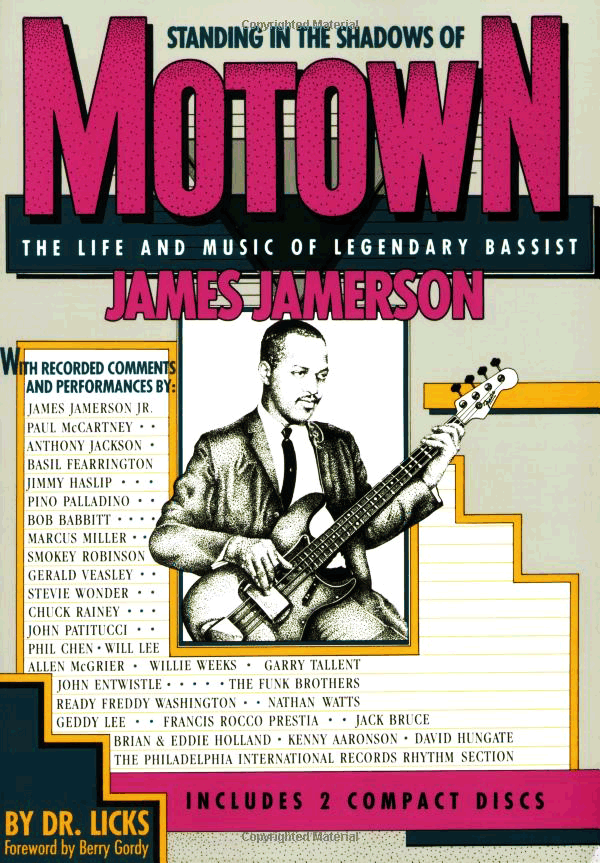
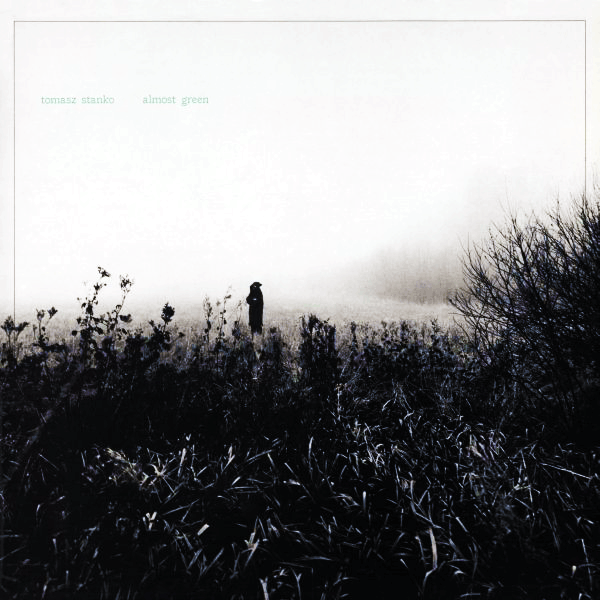
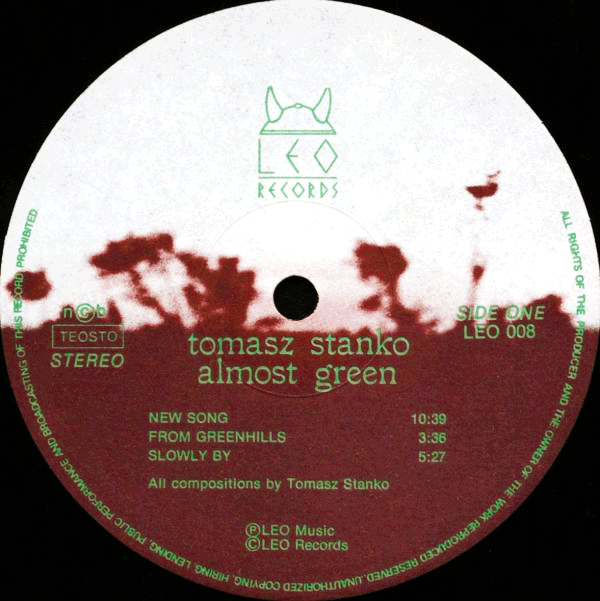
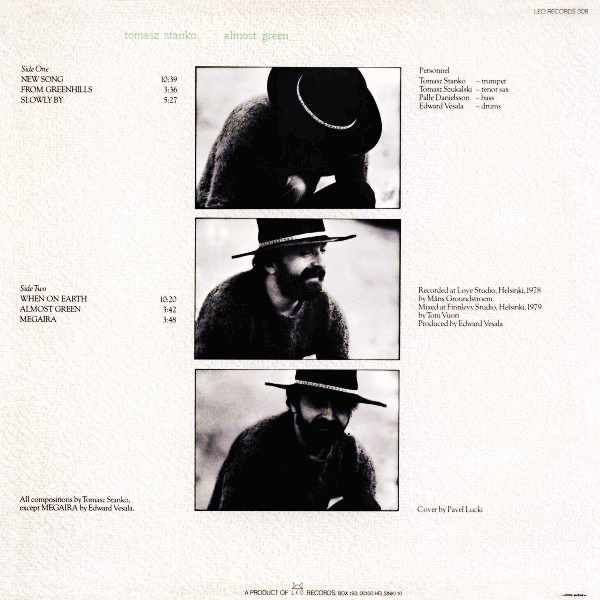
BMF: What’s your relationship with electric bass? UK: Being a different instrument I cannot say that I have the same feeling for it as for the contrabass. Some years ago something happened. I started to like some of the old Procol Harum -records, also some Neil Young, yes, it is true! Of course also the great Finnish bassplayer-composer Pekka Pohjola had an influence. Anyway, I bought a electric bass and like to play it though I do not usually play it in public. The electric bass players I like have a melodic approach. You cannot get past Jaco but I like Jamerson also, all the Motown-bassplayers, Dave Holland with Miles, Marcus Miller with Miles.... BMF: What’s your opinion about the emancipation of the double bass? Is there still any chance to innovate its language after the Blanton, Chambers and La-Faro era? UK: Could it be a matter of what style you play? If you want to play hard-driving bebop, then, well, you have to play hard-driving bass! That means playing good walking bass, not broken time. I really liked what Palle Danielsson did in the Keith Jarrett Quartet in the seventies. He was able to play the harmonies but still also created strong melodic counterpoint. Edward and Antti Hytti used to talk about the "world of the bass". Actually I have a rehearsal tape of the Tomasz Stanko Quartet with Palle on bass where Tomasz is heard to tell Palle to play slow because "the bass is a slow instrument". Some people could say that this is old-fashioned but I think I understand what Tomasz meant. Sometimes you hear people play the bass like it is a treble-clef-instrument and that is great. I love Miroslav Vitous for example! But in the music we try to do the bass needs to fulfill a more "bassic" role. Maybe not so many notes but instead strong own melodic lines. It is possible because our music is mostly very open harmonically. |
BMF: Che rapporto hai con il basso elettrico? UK: Essendo uno strumento totalmente diverso non posso dire di avere la stessa predisposizione che ho verso il contrabbasso. Qualche anno fa è accaduto qualcosa. Iniziò a piacermi il vecchio gruppo dei Procol Harum – anche dischi come quelli di Neil Young, ebbene è vero! Sicuramente anche il grande compositore e bassista finnico Pekka Pohjola ha esercitato un’influenza su di me. Ad ogni modo ho comprato un basso elettrico e mi piace suonarlo anche se di solito non lo faccio in pubblico. I bassisti elettrici che mi piacciono hanno tutti un approccio melodico. Non si può superare Jaco ma apprezzo molto anche Jamerson, tutti i bassisti della Motown, Dave Holland con Miles, Marcus Miller con Miles… BMF: Cosa ne pensi dell’evoluzione del contrabbasso? C’è ancora secondo te un margine di innovazione del suo linguaggio dopo l’era di Blanton, Chambers e LaFaro? UK: Dovrebbe essere un problema il tipo di stile che si suona? Se si vuole suonare del bebop tosto, allora, beh, devi suonare un basso tosto! Il che significa un buon walking bass senza tempo spezzato. Mi è sempre piaciuto molto quello che Palle Danielsson realizzò con il Keith Jarrett Quartet negli anni ’70. Era in grado di suonare le armonie ma ancora è in grado di creare un solido contrappunto melodico. Edward e Antti Hytti erano soliti parlare del “universo del basso”. Addirittura ho una registrazione del Tomasz Stanko Quartet con Palle al basso in cui si sente Tomasz dire a Palle di suonare lentamente perché “il basso è uno strumento lento”. Alcuni potrebbero dire che sia un approccio vecchio stampo ma credo di capire cosa intendesse Tomasz. Alcune volte senti alcuni suonare il basso come se fosse uno strumento in chiave di violino ed è strordinario. Amo Miroslav Vitous ad esempio! Ma nella musica facciamo in modo che il basso debba soddisfare un ruolo più “bassistico”. Forse non con così tante note, ma pur sempre con solide linee melodiche. È possibile perché la nostra musica è soprattutto molto aperta dal punto di vista armonico. |
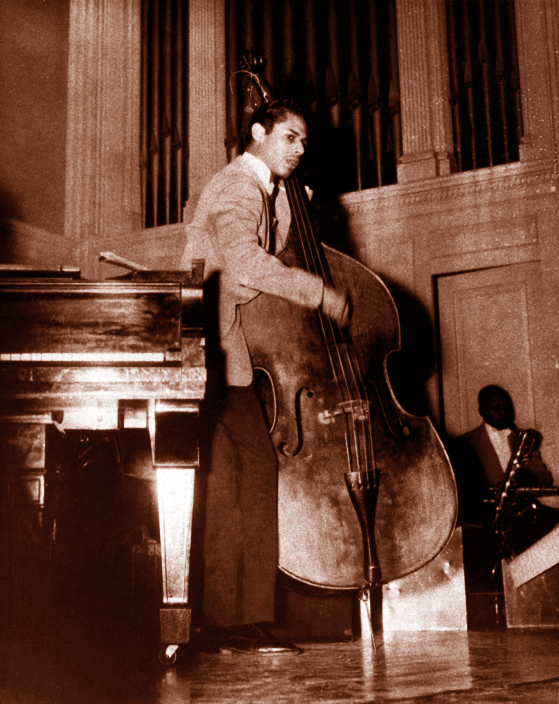
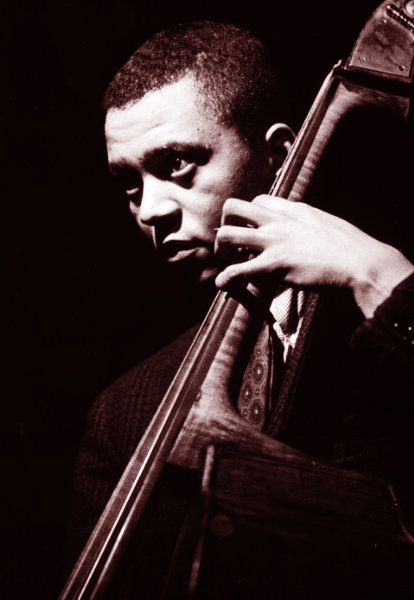
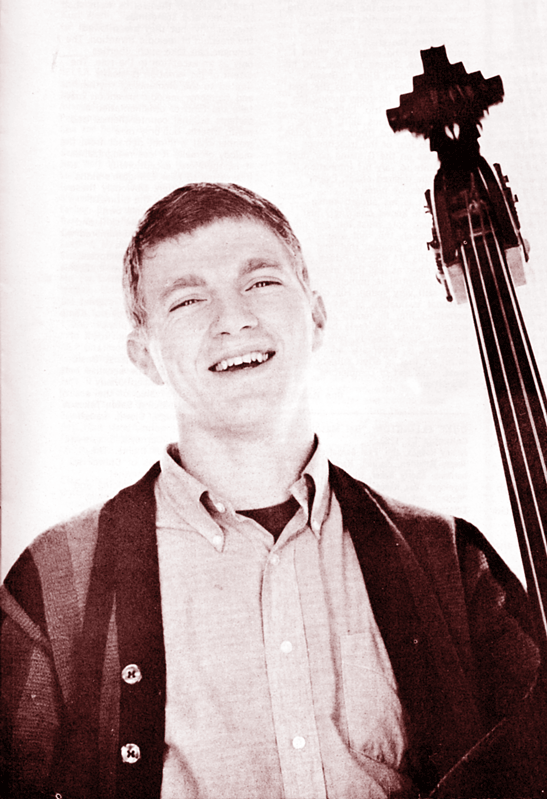
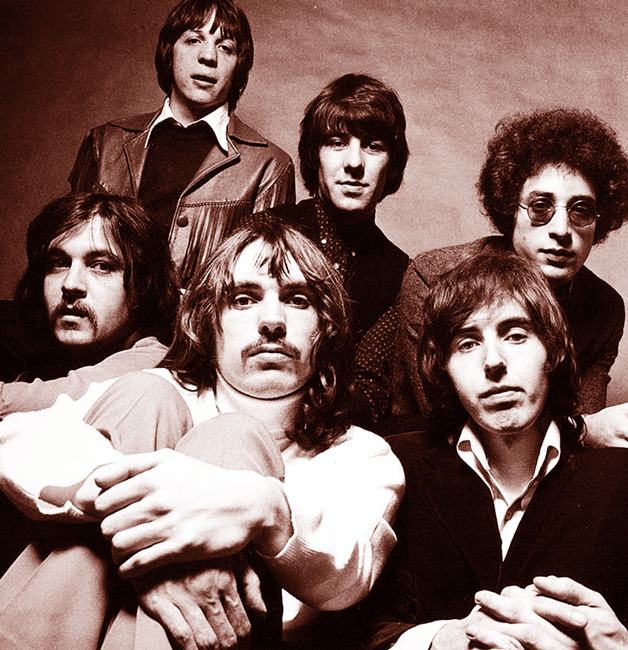
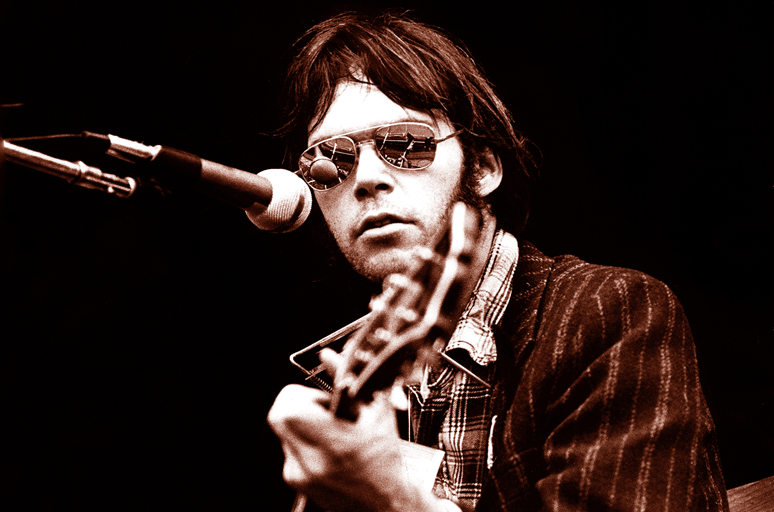
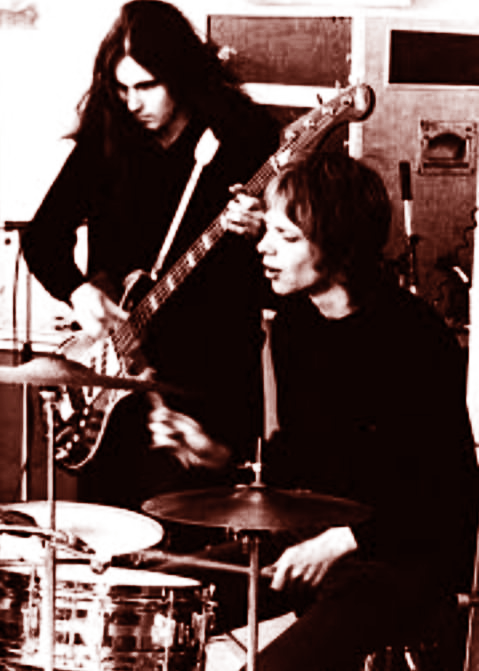
Wigwam (Finland) Ronald Ronnie Österberg with Pekka Pohjola
|
|
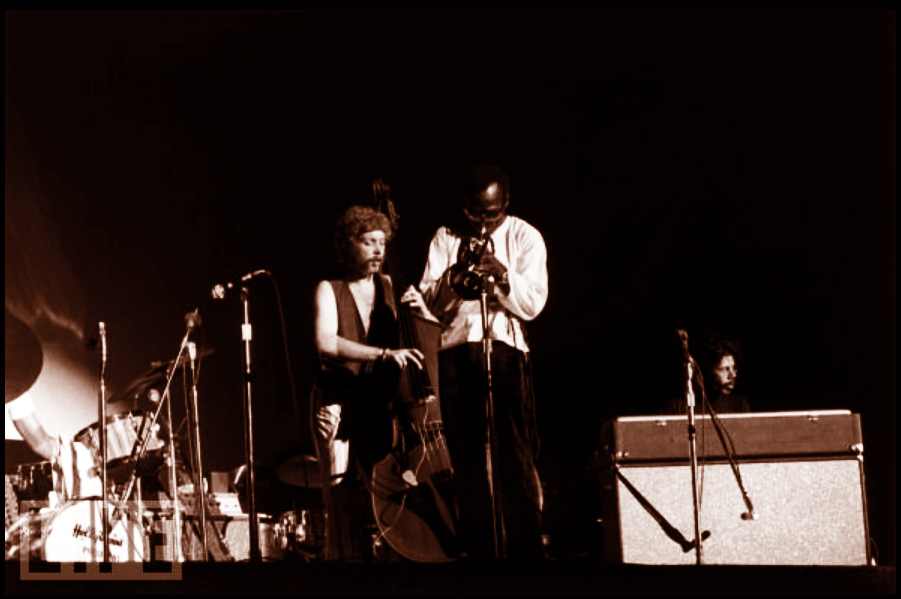
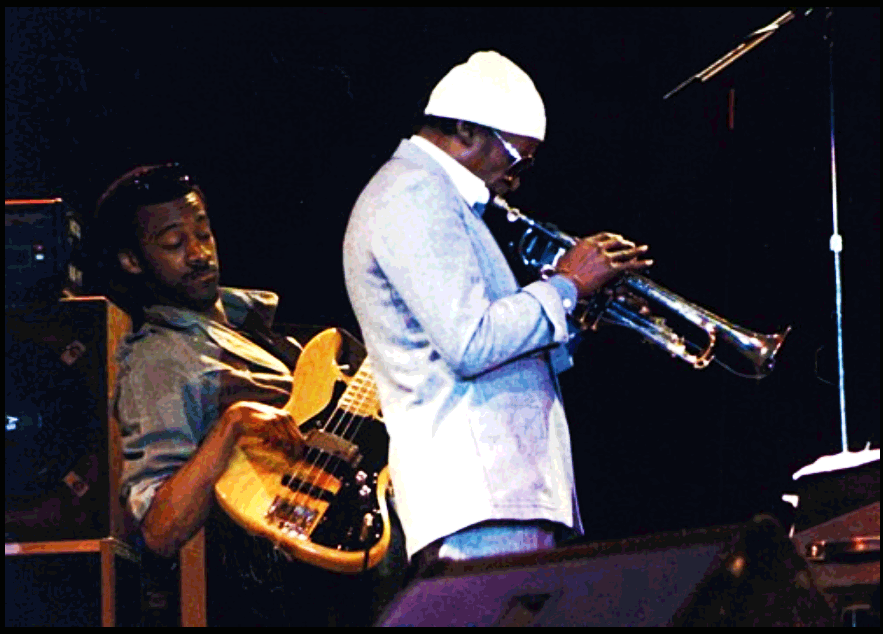
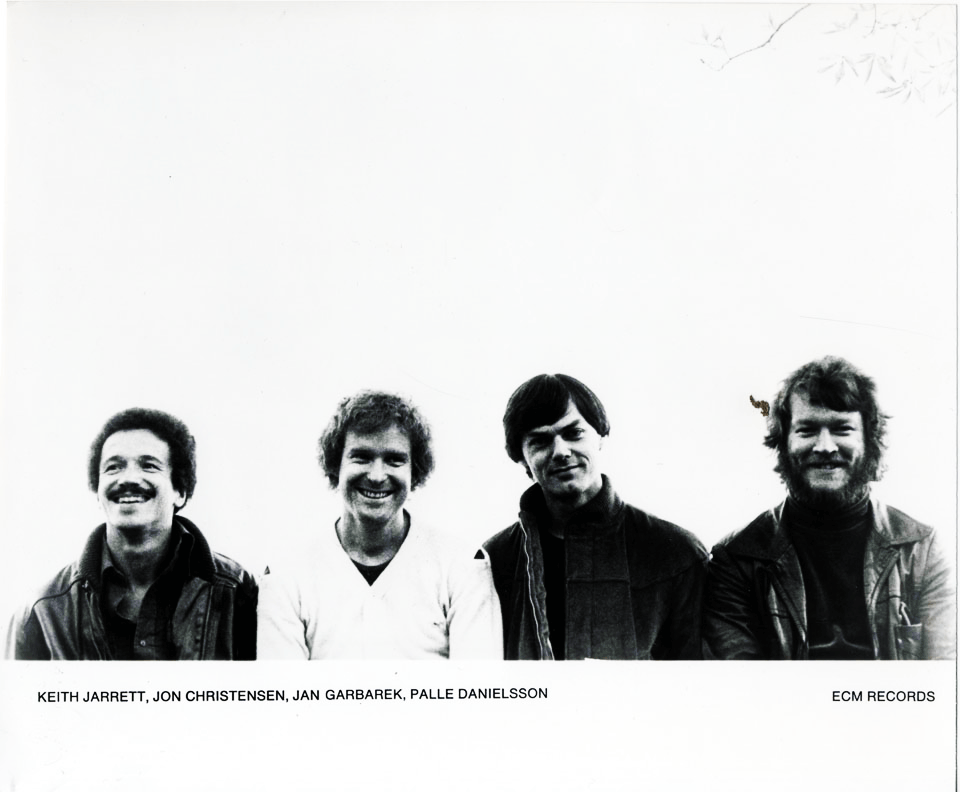
Keith Jarrett Quartet

|
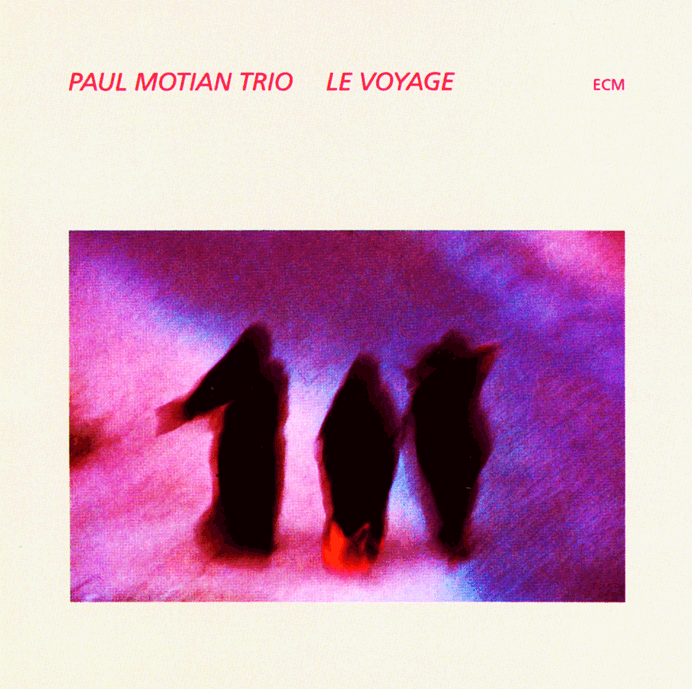
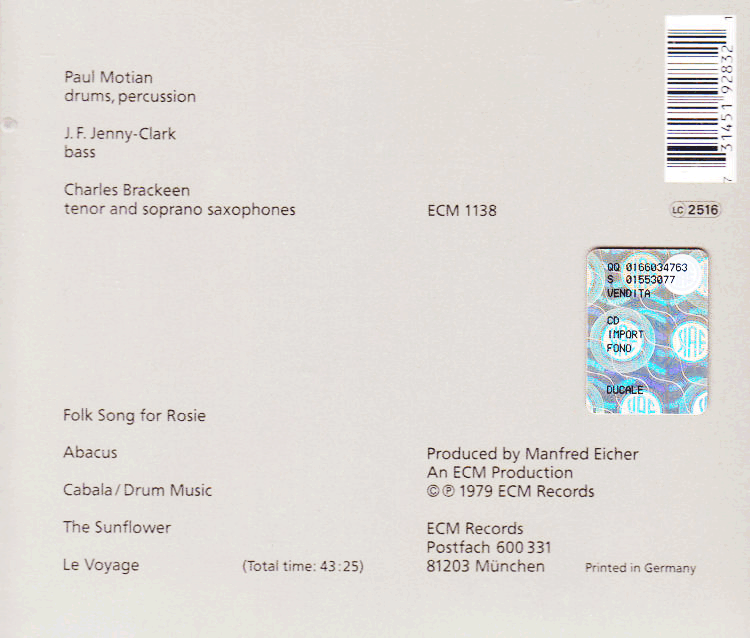
BMF: Would you like to talk about your actual gear? UK: Markbass! Easy to carry and a solid sound! My bass right now is made in Germany. Spent a fortune on finding the right one and now I am somehow "between" basses. BMF: I’m curious to know your opinion about a double bass player whom I adore and who inspired me, since I was a kid, a deep love for double bass, that is to say Jean-François Jenny-Clark… Do you like him? UK: On the records I own where he plays he does a fantastic job. The work he did with Paul Motian is great, very strong. There is also a concert recording on tape ( not published) with Edward, Jan Garbarek, Tomasz Stanko and J-F. He is cooking on that one! BMF: Among the insiders and the enthusiasts of double bass, there are still two different schools of thoughts about the question of the “excessive” or “saturated” amplification of the instrument? What’s your opinion about that? What do you think about that idea that an amplified double bass could ends up resembling a fretless bass and so it would risk to undermine the very nature of the instrument? UK: There are good pickups nowadays and I think that if you want to have a decent sound with the wood resonating it is possible. Some pickups emphasize some aspects, some others. There are guys who want to go back to the gutstringsound and that´s fine. For me, I still like a sound that resonates and sings. You can get that nowadays. 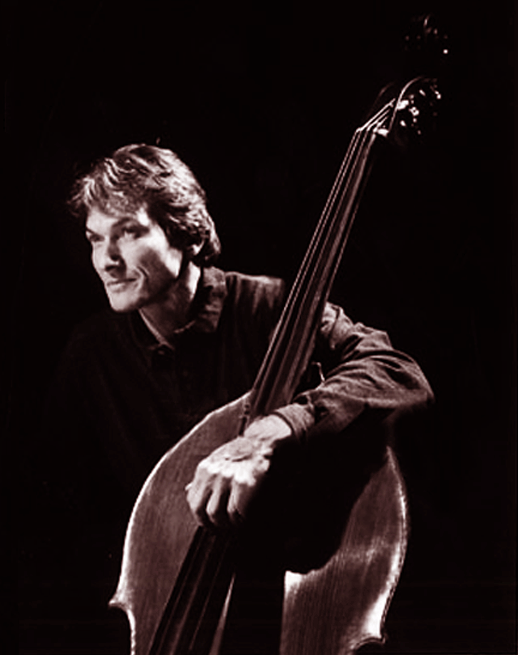
JF
|
BMF: Puoi dirci qualcosa riguardo la tua strumentazione? UK: Markbass! Facili da trasportare e con un suono corposo! Il mio contrabbasso attuale è stato realizzato in Germania. Ho speso una fortuna per trovare quello giusto ed ora mi trovo in qualche modo “in mezzo” ai bassi. BMF: Sono curioso di chiederti un’opinione su un contrabbassista che amo moltissimo e che mi ha trasmesso, da ragazzo, un grande amore per il contrabbasso: Jean-François Jenny-Clark? Ti piaceva? UK: Nei dischi che ho, in cui lui suona, fa un lavoro eccezionale. Quello che ha creato con Paul Motian è grandioso, molto intenso. C’è inoltre una incisione di un concerto (inedita) con Edward, Jan Garbarek, Tomasz Stanko e J-F. Lui cucinava in quella! BMF: Tra gli addetti ai lavori e anche gli appassionati di contrabbasso, continuano a contrapporsi diverse scuole di pensiero circa il tema dell’amplificazione “eccessiva” o “saturante” dello strumento. Quale la tua opinione? Cosa pensi di quell’idea secondo cui un contrabbasso amplificato finisce per somigliare a un basso elettrico fretless e dunque snatura il senso stesso dello strumento? UK: Ci sono ottimi pickup oggi e penso che se si vuole ottenere un sound accettabile, con una risonanza legnosa, è possibile. Alcuni pickup enfatizzano alcuni aspetti, altri ne fanno risaltare di ancora più diversi. Ci sono artisti che preferiscono tornare ad un sound viscerale e va bene. Quanto a me, ancora prediligo sonorità che risuonino e cantino. Adesso si può ottenere questo. 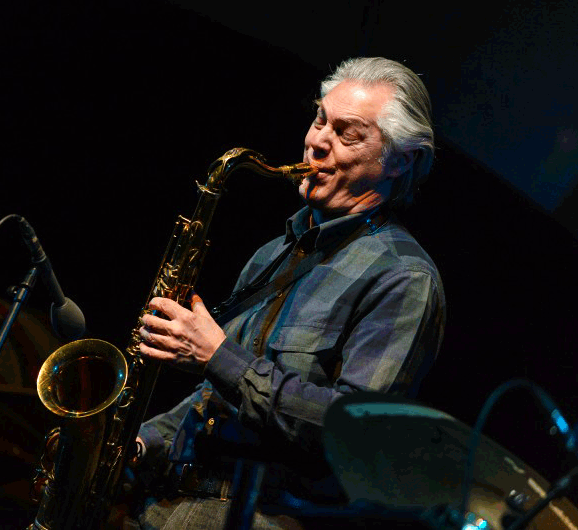
Jan Garbarek
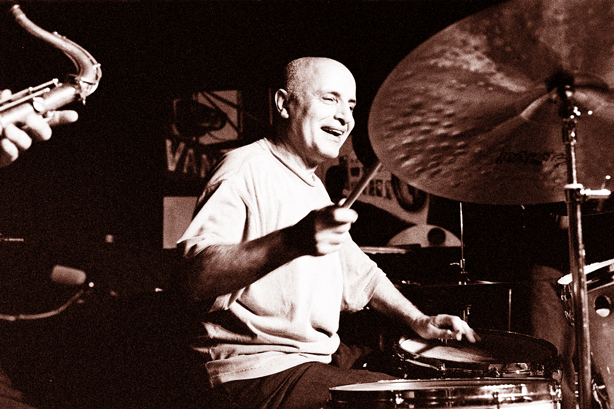
Paul Motian
|
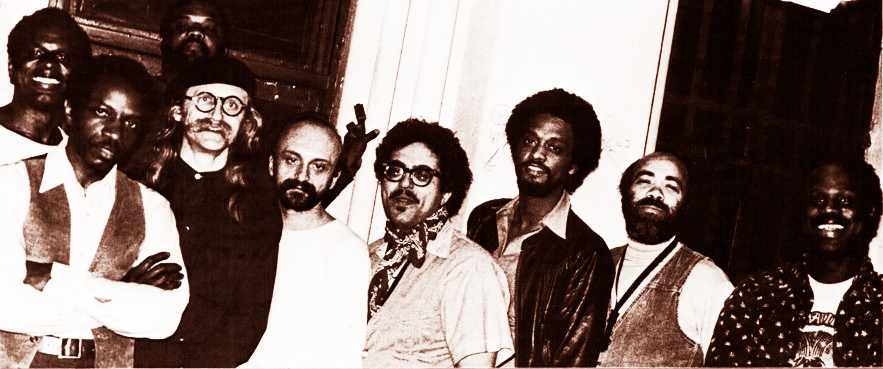
L-R: Bob Stewart, Reggie Workman, Howard Johnson, Edward Vesala, Tomasz Stanko, J.D. Parran, Chico Freeman, James Spaulding, Joe Daley
|
BMF: Compact disc are disappearing as support, all the experts in this field are holding this debate. The return of vinyl seems to be a sort of resistance. What’s your opinion about it?
UK: As long as people buy this music in any form I am happy. BMF: What are your plans for the immediate future and the days to come? Is there any opportunity to see you here in Italy sooner or later? UK: I have spent this year off the music business, not much playing. I got into a place that made me take some time off. Lately I have started to feel some creative juices flow again so I think my hibernation is coming to an end in the coming months... We are planning to get some gigs with Iro in trioformat together with my long-time drummerfriend Markku Ounaskari. To come to Italy would be great, Iro mainly listens to Italian opera arias in her office. Her canaries loves Verdi and Puccini sang by Maria Callas. BMF: The improvisation of three tracks on The Incense Of All Our Prayers (“Korpens Nattliga Flykt”, “Lycka” and “Rauha”) are inspired by Finnish poet and journalist Eino Leino. How do you manage to find your creative balance between music and other arts like poetry, especially for the improvisation? How do you get to the choice of your inspirations? Are you passionate about literature or movie? Do you believe in the exchange between different arts? UK: I like the art of painting, especially works from the Renaissance. Poems can evoke images. I like to read, mostly the classics like Dostojevskij. Now I am actually reading some Tolkien. Being a believer I read the Bible a lot. Good movies are always relaxing. When I had some students I always encouraged them to read, go to exhibitions and in general to be alert to different ways of expression. I think that you really have to grow as a person in order to become a good musician. Of course you have to know the mechanics of music but what I am mostly interested in is content. Some of the content, the song, is God-given, but we have an obligation as artists to convey something magical, otherworldly the the listeners. We have to share the love we have inside us and also function as human beings who comforts our fellow human beings. Music is a good means for this but it needs to have content. 
Luca De Pasquale-Manuela Avino2018
|
BMF: I cd stanno scomparendo come supporto, gli esperti in materia sostengono questo dibattito. Il ritorno del vinile sembra il solo a resistere. Che cosa ne pensi in merito?
UK: Fin quando le persone compreranno della musica a prescindere dal formato, io ne sarò felice. BMF: Quali sono i tuoi progetti nell’immediato e in una prospettiva più lontana? C’è qualche possibilità di vederti qui in Italia prima o poi? UK: Ho trascorso l’ultimo anno fuori dal mercato musicale, non ho suonato molto. Ultimamente ho iniziato ad avvertire un po’ di energia creativa fluire di nuovo, dunque, credo che la mia ibernazione stia giungendo ad una conclusione per i mesi a venire… Con Iro stiamo pianificando di tenere alcuni concerti in trio, insieme al batterista, mio amico di lunga data, Markku Ounaskari. Venire in Italia sarebbe fantastico, Iro ascolta principalmente arie d’opera nel suo studio. I suoi canarini adorano Verdi e Puccini cantati da Maria Callas. BMF: L’improvvisazione di tre tracce dell’album The Incense Of All Our Prayers (“Korpens Nattliga Flykt”, “Lycka” and “Rauha”) si ispirano al poeta Finnico e giornalista Eino Leino. Come riesci a trovare il tuo punto di equilibrio tra la musica e le altre arti, specie per ciò che attiene all’improvvisazione? Come arrivi ad una scelta tra i diversi registri? Sei appassionato di letteratura e di cinema? Credi nell’interscambio tra arti differenti? UK: Mi piace la pittura, specie i lavori del Rinascimento. Le poesie riescono ad evocare immagini. Mi piace leggere, principalmente i classici come Dostojevskij. Ora in verità sto leggendo Tolkien. Essendo un credente ho letto molto la Bibbia. I buoni film sono sempre rilassanti. Ho sempre incoraggiato i miei studenti a leggere, ad andare alle mostre ed in generale ad essere ricettivi verso differenti modalità espressive. Credo che bisogna davvero crescere prima come persone per poter diventare poi dei buoni musicisti. Certo devi conoscere i meccanismi della musica ma sono molto più interessato ai contenuti. Uno di questi, la canzone, è innata, ma abbiamo il dovere come artisti di trasmettere qualcosa di magico, di ultraterreno agli ascoltatori. Dobbiamo condividere la passione che abbiamo dentro noi stessi e anche fungere da esseri umani che confortano altri esseri umani come noi. La musica è un ottimo strumento per questo scopo ma necessita di contenuti. 
Manuela Avino-Luca De Pasquale2018
|
|
|
|
ULF KROKFORS SELECTED DISCOGRAPHY
Clicca qui per modificare.
Clicca qui per modificare.
